
23 Hidden Wedding Costs Couples Always Forget (2026)

You built the spreadsheet. You have tabs for venue, catering, photographer, dress. The totals add up and the budget looks solid. Then the wedding happens, and somehow you spent $3,000 more than the spreadsheet said. What happened? The hidden wedding costs, the quiet line items that never made it onto the original budget because nobody told you they existed.
This guide lists 23 of them, grouped by when they hit: while you plan, buried in vendor contracts, on the wedding day itself, and after it is all over. Every one comes with real 2026 US dollar figures, because “budget extra for surprises” is useless advice without numbers attached.
Why Hidden Costs Blindside Even Careful Budgeters
The average US wedding now costs about $34,200, per The Knot’s 2026 Real Weddings Study of couples married in 2025. And most couples go over their original budget. The reason is rarely one big splurge. It is the accumulation of $150 charges here and $400 fees there, each individually forgettable, collectively budget-breaking.
Three things make these costs invisible. First, many are per-unit multipliers: $1.50 in extra postage sounds like nothing until you multiply by 120 invitations plus RSVP cards. Second, several hide in contract fine print as “service charges” and “overtime rates” you agree to months before you understand them. Third, a few are genuinely new in 2026, like tariff surcharges on imported wedding attire, which no older budget guide mentions.
The fix is not anxiety. It is a complete list, read once, before you sign anything.
Before the Wedding: Costs That Hit While You Plan
These arrive in the first months of planning, when the budget still feels theoretical and every new charge is easy to wave away.
1. Marriage license and officiant fees
The least romantic line item is also one of the first. A US marriage license costs $30 to $115 depending on the state, and an officiant runs $300 to $800 in most markets, more in major cities. Having a friend get ordained online costs under $60 in most states, but check your state’s rules first, since a few do not recognize online ordination.
2. Dress and suit alterations
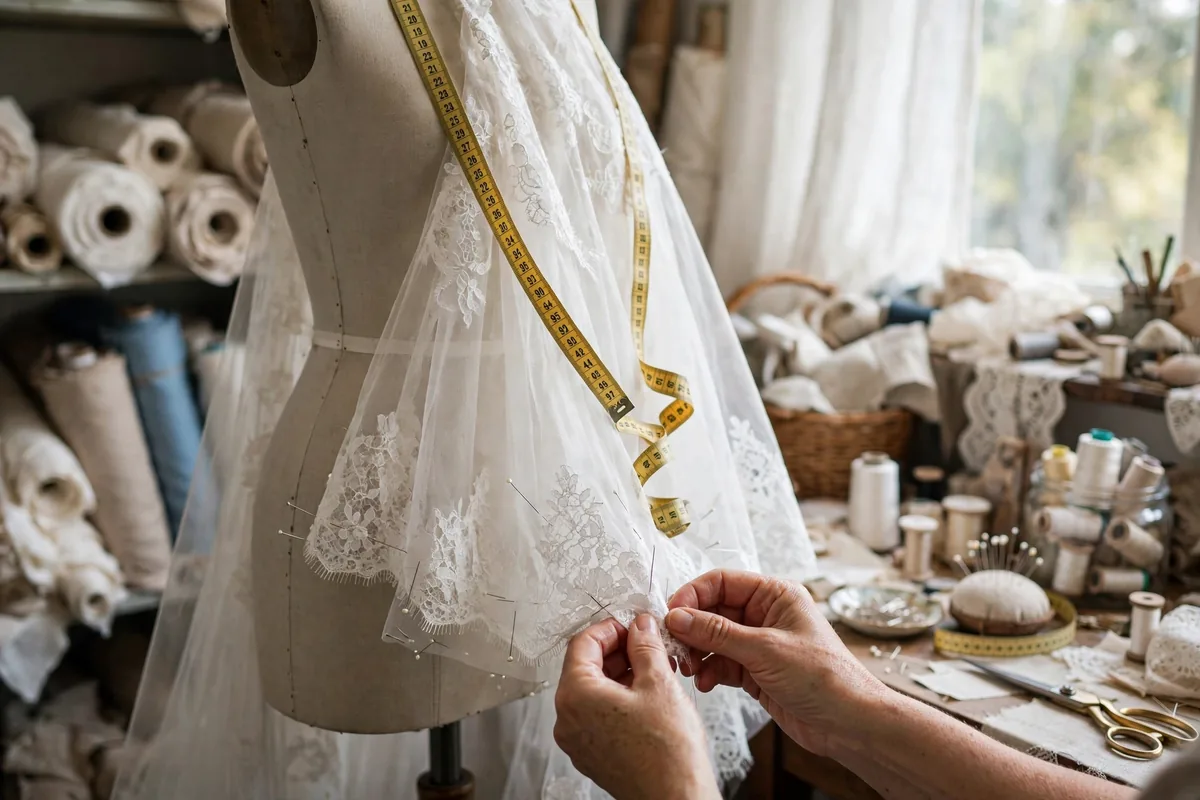
Almost no one wears a gown off the rack without alterations. Expect $200 to $800 for standard adjustments, and $800 or more for complex lace, beading, or structural changes. Add undergarments and shapewear ($50 to $150), a professional pressing before the wedding ($75 to $150), and the groom’s side: suit tailoring runs $75 to $250, which couples routinely forget while budgeting only the bride’s alterations.
3. Hair and makeup trials, plus pre-wedding beauty
Budget the wedding-day hair and makeup, then add the trial, which most artists charge separately at $75 to $150 per session. Pre-wedding treatments stack up quietly: a facial ($100 to $200), spray tan ($40 to $75), professional teeth whitening ($300 to $600). None is mandatory, but couples who want them should price them in January, not discover them in May.
4. Wedding insurance
Liability coverage costs $125 to $300 through companies like WedSafe or Wedsure, and many venues now require it before you can book. Cancellation coverage, which reimburses deposits if a vendor goes out of business or extreme weather intervenes, can add a few hundred more. Given that deposits are often nonrefundable, this is cheap protection.
5. Postage for everything
Invitations are budgeted. Mailing them is not. Between the invitation, the RSVP return envelope, save-the-dates, and thank-you cards afterward, plan on $1 or more per mailed piece once you count both directions. Heavy card stock, square envelopes, and wax seals push individual pieces to $2 or more. For 120 invitations, postage alone can reach $300 to $500 across the whole planning arc.

6. Pre-wedding parties you host
Engagement parties, showers you host, and the rehearsal dinner add up fast: $500 to $2,000 for a modest engagement party, and rehearsal dinners average $1,500 to $3,000. Even as a guest, bachelor and bachelorette trips routinely cost attendees $300 to $1,000+ each in travel, which strains wedding-party goodwill if sprung late.
7. The groom’s full attire bill
Couples budget the dress down to the veil, then treat the groom’s outfit as an afterthought. A quality suit purchase ($400 to $1,000) or rental ($150 to $250), plus tailoring, shoes, and accessories, lands at $300 to $1,200. Budget it as its own line item from the start.
The Vendor Fine Print: Fees Buried in Contracts
This is where the real money hides. Read every contract looking for these eight items before you sign, not after.

8. Service charges are not gratuities
The single most expensive misunderstanding in wedding budgeting. Catering and venue contracts commonly add an 18 to 22% service charge, which goes to the house, not the staff. It is not a tip. On a $10,000 catering bill, that is $1,800 to $2,200 before you have tipped anyone. Then budget actual gratuities separately: 15 to 20% for catering staff in many markets, plus tips for hair and makeup, transportation, and delivery teams. Always ask for the all-in price with charges, tax, and gratuities itemized.
9. Vendor meals
Your photographer, videographer, DJ, band, planner, and their assistants work 8 to 12 hours on your wedding day. Most venues and vendor contracts require you to feed them, at $25 to $75 per head. With 8 to 12 vendors, that is $200 to $900 nobody put in the catering headcount. Confirm the vendor meal count with your caterer at the final headcount meeting.
10. Overtime rates
Weddings run long. Photographer overtime runs $200 to $500 per hour, DJs and bands $150 to $400 per hour, and venues $500 to $2,000 per extra hour, sometimes with strict noise-ordinance cutoffs that make the extra hour useless anyway. Build one buffer hour into the timeline, and know every vendor’s overtime rate before the wedding day, when you will be in no position to negotiate.
11. Vendor travel and lodging
Vendors traveling beyond their local radius charge mileage ($0.50 to $1 per mile), flat travel fees ($100 to $500), and hotel nights ($150 to $300 each) for early setups or late teardowns. A photographer driving two hours each way can add $400 to $800 in travel and lodging you never discussed during the consultation.
12. Delivery, setup, and teardown fees
The flowers cost $2,000. Getting them delivered, installed, and removed costs extra: $150 to $500 for florals, $200 to $800 for rentals, $50 to $150 for cake delivery. These fees are routinely quoted separately from the items themselves, so the “total” you approved at the tasting was never the total.
13. Power and generators for outdoor venues
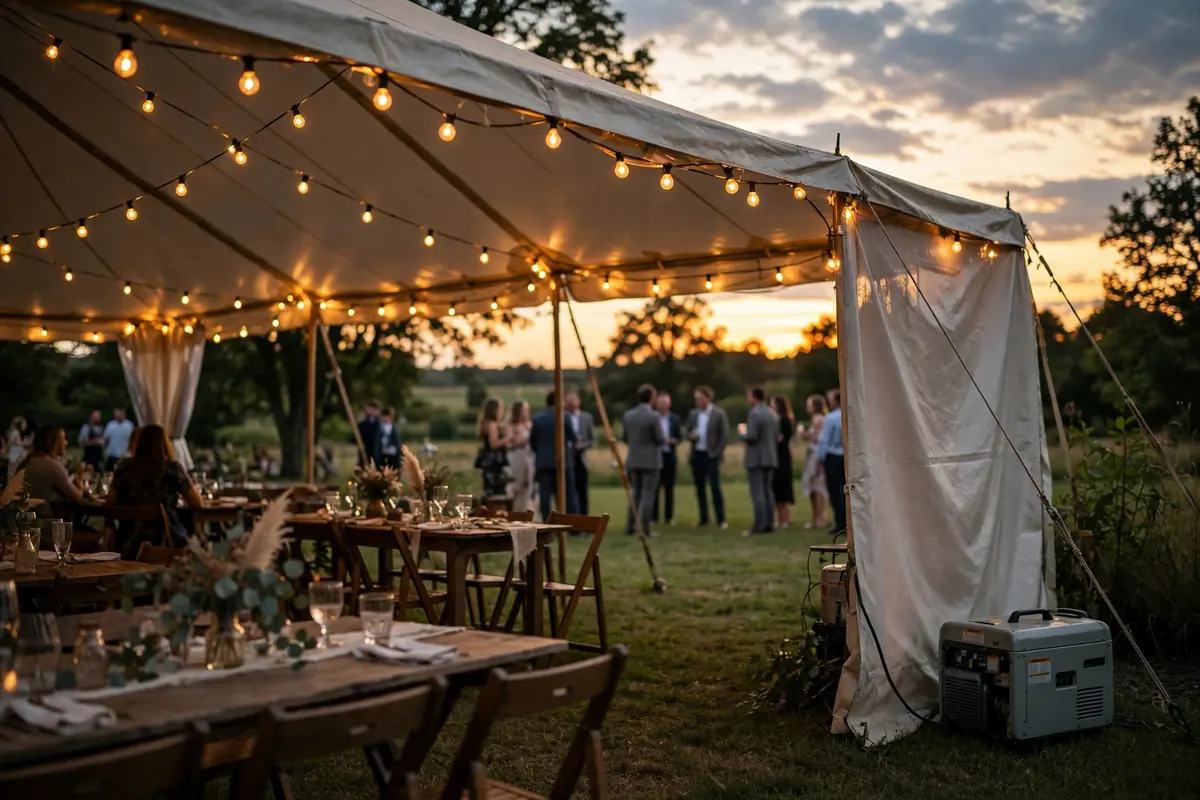
Barns, farms, and private estates often lack the electrical capacity for a band, lighting design, and catering warmers. Generator rental runs $300 to $1,000, and some venues pass through actual electricity usage fees of a few hundred dollars after the event. If your venue is not a purpose-built event space, ask about power before you book the band.
14. 2026 tariff surcharges on imported attire
This one is new. More than 90% of wedding gowns sold in the US are imported, and 2026 tariff policy on goods from China, Vietnam, and India has pushed dress prices up 10 to 30%. Brides have reported surprise surcharges around $150 on gowns alone, with veils, accessories, and even some florals affected. If your dress is imported, ask the salon explicitly whether the quoted price includes all tariffs and surcharges, and get it in writing.
15. Credit card processing fees
Paying vendors by credit card for the points is smart until you see the 2.5 to 3.5% processing fee many vendors pass through. On $30,000 of vendor payments, that is $750 to $1,050. Ask each vendor about payment-method fees up front; a check or bank transfer for the largest balances often pays for a nice honeymoon dinner.
On the Day: Costs That Show Up at the Wedding
By the wedding day the budget feels finished. These charges disagree.
16. Cake-cutting fee
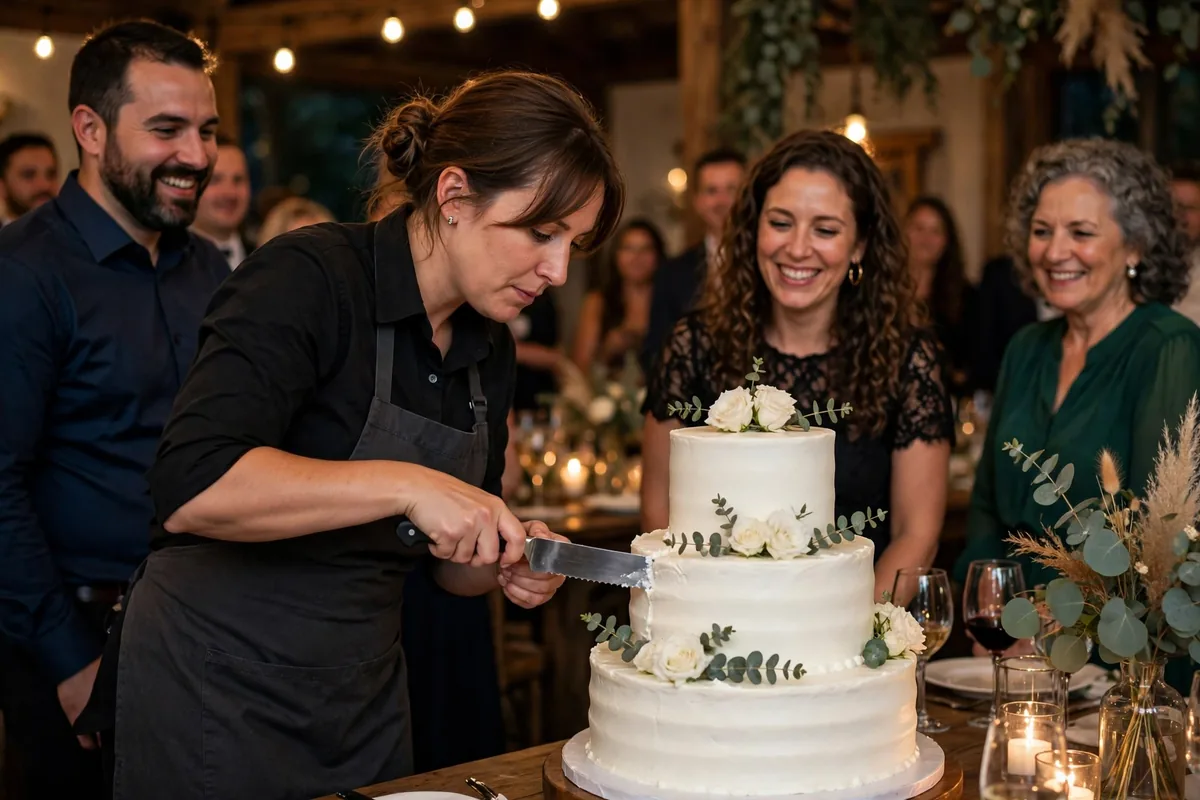
Many venues charge $1 to $2 per slice to cut and serve a cake from an outside baker. For 150 guests, that is $150 to $300 for the privilege of serving the cake you already bought. Some couples dodge it with a dessert display or cupcakes, which require no cutting.
17. Corkage fee
Bringing your own wine or champagne to a venue with a bar program triggers corkage: typically $15 to $25 per bottle. Fifty bottles means $750 to $1,250. Compare that against the venue’s own wine pricing before deciding BYO actually saves money.
18. Valet, parking, and coat check
Guest parking fees, valet service ($500 to $1,500), and coat check ($200 to $500) are venue-dependent costs that appear late in planning. If your venue charges guests for parking, consider covering it; nothing sours arrivals like a $20 parking surprise.
19. Getting-ready food and the emergency kit
The wedding party gets ready for four to six hours. Feeding them costs $100 to $300, and nobody budgets it. Add a day-of emergency kit ($50 to $100): stain remover, pain relievers, bandages, sewing kit, extra boutonniere pins, phone chargers. Assign one person to own it.
20. Transportation and guest shuttles
A getaway car or party bus runs $800 to $2,000, and shuttling guests between ceremony, reception, and hotels costs $500 to $1,500 per bus. Couples with split venues or rural locations should price shuttles early; they also solve the drinking-and-driving problem, which makes them worth every dollar.
After the Wedding: The Costs Nobody Warns You About
The wedding ends. The spending does not, quite.
21. Dress cleaning and preservation
Professional cleaning and preservation runs $250 to $600. If you plan to sell the dress, get it cleaned regardless; preserved gowns resell for meaningfully more. Skip preservation only if you are certain the dress has no future, and decide before the champagne stains set.

22. Thank-you cards and postage
Stationery ($50 to $150) plus postage for every gift-giver. Budget it with the invitation postage in section 5 and buy the stamps early; this is the charge most likely to go on a credit card in a post-honeymoon haze.
23. Name changes, albums, and prints
Changing your name is mostly free at the Social Security office, but the ripple effects cost money: a new passport is $130 ($60 more for expedited), a new driver’s license $10 to $30, and a court-ordered name change runs $150 to $450 in some states. Then the fun part: a professional wedding album costs $500 to $2,000 and is often not included in the photography package, and printing the photos you actually want on your walls adds a few hundred more.
How Much Buffer to Keep: The 10 to 15% Rule
Add up every cost above that applies to your wedding, and you will land somewhere between $2,000 and $8,000 in charges that were never in the original spreadsheet. That is why planners recommend a contingency buffer of 10 to 15% of the total budget, held separately and spent only on genuine surprises.
| Total budget | 10% buffer | 15% buffer |
|---|---|---|
| $20,000 | $2,000 | $3,000 |
| $35,000 | $3,500 | $5,250 |
| $50,000 | $5,000 | $7,500 |
Park the buffer in the budget from day one, before allocating a dollar to decor. Couples who add the buffer at the end never actually keep it; couples who subtract it first always have it when the overtime invoice arrives.
The 5-Minute Hidden-Cost Audit
Before signing any vendor contract, run this checklist. It takes five minutes per contract and routinely saves four figures.
- Search the contract for these exact words: “service charge,” “gratuity,” “overtime,” “travel,” “delivery,” “setup,” “exclusivity,” and “force majeure.” Every hit is a cost or a constraint. Price each one.
- Ask every vendor three questions: What is your overtime rate? What travel or delivery fees apply to my venue? What is specifically NOT included in this quote?
- Get the all-in number in writing. Quote + service charges + tax + gratuities + delivery + setup + overtime terms = the real price. Compare vendors on real prices, not headline quotes.
- Confirm the headcount math. Vendor meals, rentals, and per-head extras multiply with every added guest. Lock the guest list before finalizing catering and rentals.
- Calendar every payment. Deposits, balance due dates, and final headcount deadlines in one place. Two big balances landing in the same month is a cash-flow problem you can solve with a phone call, if you see it coming.
Frequently Asked Questions
How much should we budget for hidden wedding costs?
Plan a contingency buffer of 10 to 15% of your total budget. On a $35,000 wedding, that is $3,500 to $5,250 reserved for the charges in this guide: service charges, overtime, gratuities, postage, alterations, and the rest.
What is the most commonly forgotten wedding cost?
Gratuities and service charges. Couples routinely mistake the 18 to 22% catering service charge for a tip, then discover the actual gratuity is a separate line item worth thousands.
Is a service charge the same as a tip?
No. A service charge goes to the venue or catering company, not the service staff. Always ask whether gratuity is included or additional, and get the answer in writing.
Do we really need wedding insurance?
Liability coverage ($125 to $300) is required by many venues, which settles the question for most couples. Cancellation coverage is worth it if you have large nonrefundable deposits or an outdoor wedding with no backup plan.
How do we avoid overtime fees?
Build a 30 to 60 minute buffer into the timeline, confirm every vendor’s overtime rate before the wedding day, and appoint someone (a planner or trusted friend) to watch the clock. Most overtime happens because nobody was tracking time, not because the party needed the extra hour.
Hidden costs are only hidden until someone lists them. Work through this guide with your partner and your spreadsheet open, price every item that applies, and protect your buffer. The wedding will still surprise you, but the invoice should not.
Building your full budget? Start with our wedding budget breakdown for real percentage ranges per category, then use the wedding planning checklist to sequence every payment. Photographers have their own fine print too, see how much a wedding photographer costs before you book.