How Much Does a Wedding DJ Cost?
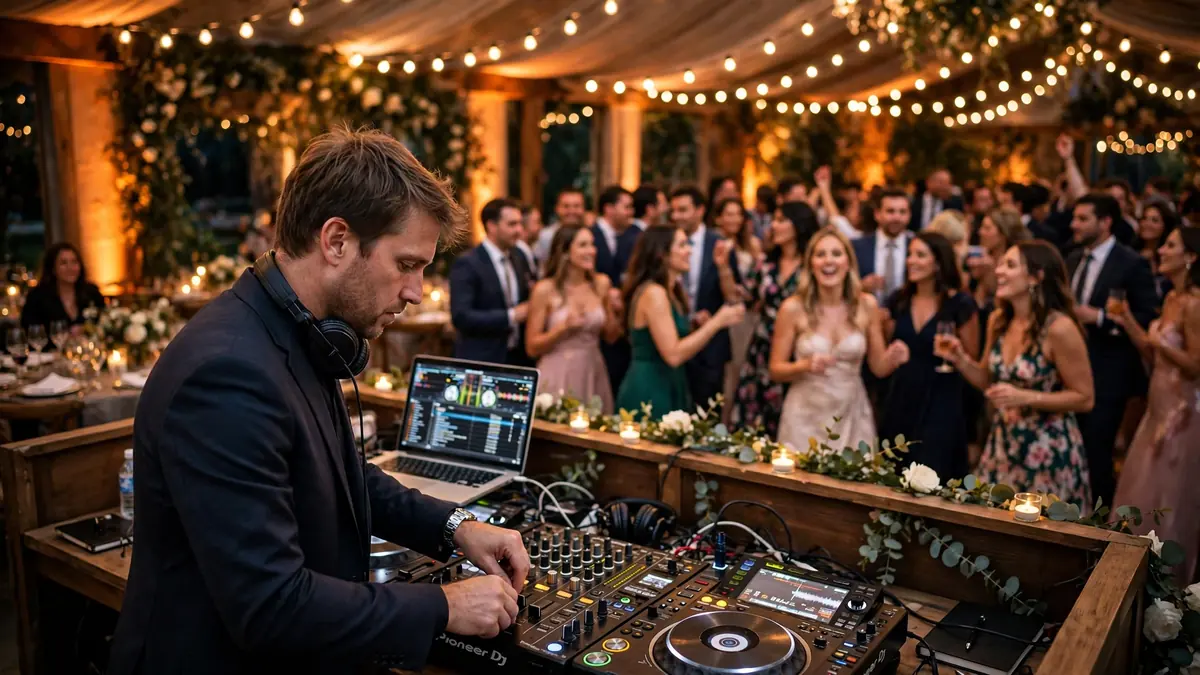
How much does a wedding DJ cost? For most couples in the United States in 2026, the answer is $1,000 to $2,500, with the national average landing at $1,800. That figure comes from The Knot Real Weddings Study, which surveyed more than 10,000 couples who married in 2025, and it covers a professional DJ, a sound system, and a standard four to five hour reception. Your final quote can climb well past that average once you add ceremony sound, cocktail hour coverage, uplighting, and overtime, or drop below $1,000 for a newer DJ and a shorter event.
Music is one of the few wedding expenses your guests feel for the entire evening. A good DJ sets the mood during cocktail hour, handles your grand entrance and first dance, reads the room when the dance floor starts to thin out, and keeps the energy up until the last song. Before you start collecting quotes, it helps to know what the money actually buys, so check your overall wedding budget breakdown first. That is why asking how much does a wedding dj cost early helps you set a realistic entertainment budget.
How Much Does a Wedding DJ Cost?
The short answer is $1,800 on average, but averages hide a wide range. The Zola Wedding Cost Index puts the typical range for most couples at $1,300 to $1,900, and most couples spend about 3 percent of their total wedding budget on music and entertainment. A DJ in a small Midwest town and a DJ in Manhattan are selling the same basic service at very different prices.
Think of DJ pricing in three tiers. Budget DJs charge $400 to $999. These are usually newer DJs, students, or part time operators with a smaller sound system and a shorter track record. Mid range professionals charge $1,200 to $2,500. This is where most couples land, and it buys three to seven years of wedding experience, professional equipment, and a DJ who has handled hundreds of receptions. Premium DJs charge $3,000 to $5,000 or more. These are seasoned professionals with a strong portfolio and full production packages that can include lighting, a photo booth, and a second DJ or assistant.
| DJ Tier | Typical Price Range | What You Get |
|---|---|---|
| Budget or newer DJ | $400-$999 | Reception only, 3-4 hours, basic sound, limited experience |
| Mid-range professional | $1,200-$2,500 | 4-6 hours, professional sound, MC duties, basic lighting |
| Premium or in-demand DJ | $3,000-$5,000+ | Full day coverage, MC services, uplighting, photo booth, major metro market |
Three realistic scenarios make the tiers concrete. A modest budget of $800 to $1,200 books a newer DJ for three to four hours, reception only, with a basic sound system. A mid range budget of $1,500 to $2,200 books an experienced professional for five to six hours, reception plus cocktail hour, with a wireless microphone for toasts and basic dance floor lighting. A premium budget of $3,000 to $5,000 or more books a seasoned DJ for full day coverage with MC services, uplighting, and a photo booth add on, usually in a major metro market. Use those scenarios when you work out how much does a wedding dj cost for your own reception, not just the average.
Wedding DJ Cost by Hours of Coverage
Hours are the single biggest lever on price. Most wedding DJs sell flat packages built around a set number of hours, usually four to six for a reception. Every extra hour adds cost, and every hour you cut saves money. Decide which parts of the day need music, then get quotes for exactly that coverage. That is why how much does a wedding dj cost depends so much on the hours you book, not just the DJ you choose.
| Coverage | Hours | Typical Price Range |
|---|---|---|
| Reception only | 4-5 hours | $1,000-$1,800 |
| Cocktail hour plus reception | 5-6 hours | $1,300-$2,200 |
| Ceremony, cocktail hour, and reception | 7-8 hours | $1,500-$2,800 |
| Full day including after party | 9+ hours | $2,500-$5,000+ |
Ceremony coverage is the most common add on, and it is priced separately because it needs a second speaker setup in a different location, plus a wireless lapel microphone for the officiant and a handheld microphone for vows. Expect $200 to $500 for ceremony sound. Cocktail hour usually costs $100 to $300 extra, though some DJs fold it in when the cocktail hour happens in the same room as the reception.
How Much Does a Wedding DJ Cost Per Hour?
Most wedding DJs charge $100 to $200 per hour when they bill hourly, though flat packages are far more common for weddings. High demand professionals in major markets can run $300 to $500 per hour. Hourly billing shows up most often for short events, after parties, and overtime.
Overtime is where hourly rates matter most. If your reception runs long and you ask the DJ to keep playing, expect $100 to $200 per extra hour, and always confirm the overtime rate in writing before you sign. Some contracts charge a higher rate for overtime booked on the night. Ask directly: what does one extra hour cost if we decide at 10 pm that we want one more?
Hourly math is also a useful way to compare quotes. A $1,800 package for four hours is $450 per hour, while a $2,400 package for six hours is $400 per hour. Always compare quotes on the same hours and the same inclusions, not on the headline number alone.
What Is Included in a Standard Wedding DJ Package?
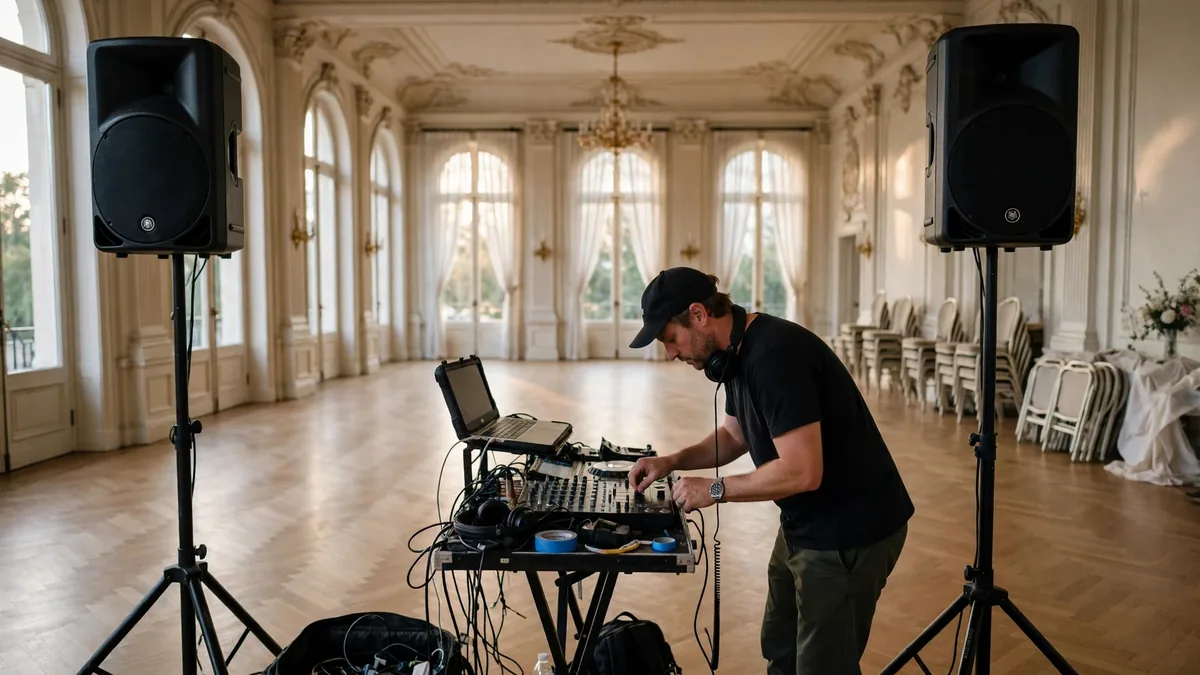
A standard wedding DJ package usually includes the DJ for the contracted hours, a professional sound system with speakers, a subwoofer, and a mixer, basic dance floor lighting, a wireless microphone for toasts and speeches, and MC duties. The MC part is easy to overlook, and it is one of the most valuable pieces of the package. The DJ announces the wedding party entrance, the first dance, the parent dances, the cake cutting, and the bouquet toss, and keeps the timeline moving.
When your DJ doubles as MC, the parent dances run on time and the transitions feel smooth. If you are still choosing music for those moments, our list of mother son dance songs can help you pick a song that fits the mood, and your DJ can fade it out so the dance stays at two to three minutes.
What is usually an add on, not included in the base price: ceremony sound ($200-$500), cocktail hour music in a separate room ($100-$300), uplighting ($150-$700), monogram or gobo lighting ($100-$400), a photo booth with an attendant and prints ($500-$1,200), extended hours ($100-$200 per hour), and special effects such as cold sparklers or a fog machine for the first dance. Check your venue rules first, because some venues restrict fog machines and sparklers.
Always request an itemized quote. A $1,200 base price that excludes ceremony sound and uplighting can reach $1,900 once those are added, and that is not a scam, it is just how DJ pricing works. An itemized quote lets you compare two DJs on equal terms and cut the add ons you do not need.
Wedding DJ Cost by Region in the US
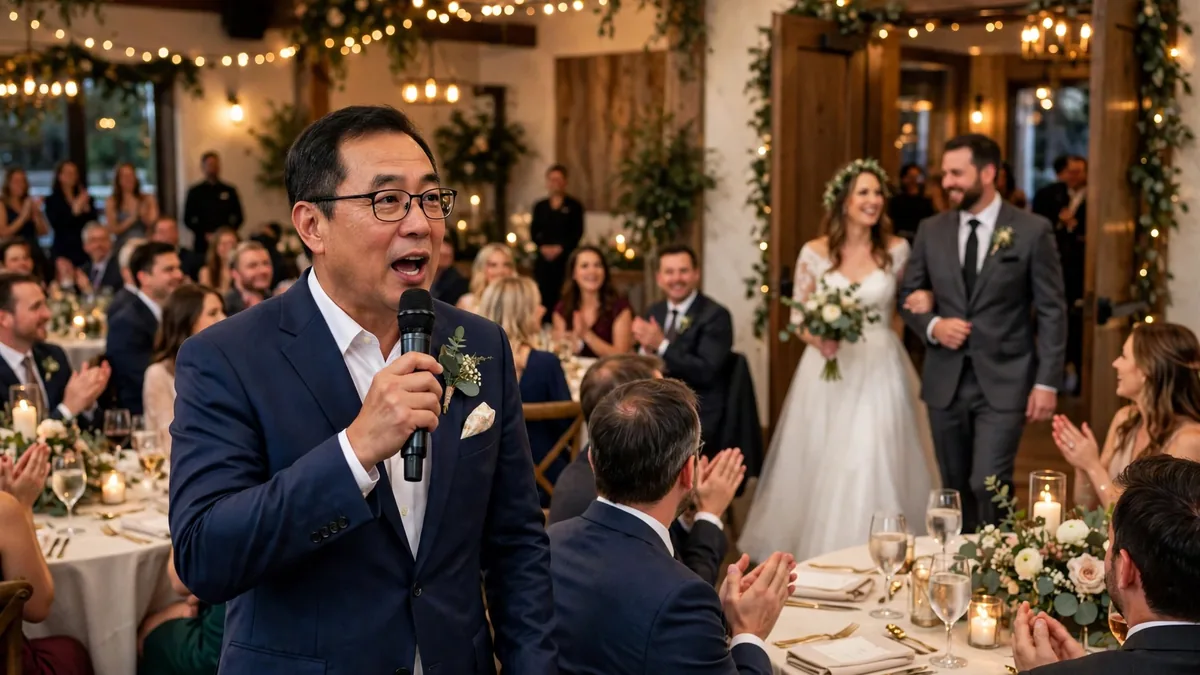
Location shapes wedding DJ cost more than almost any other factor. A DJ in Manhattan averages around $2,252, while the same caliber professional in Milwaukee averages about $1,471, according to Zola market data. High cost of living metros like New York, Los Angeles, San Francisco, Boston, and Washington DC command a real premium over the Midwest and the South, because the DJ pays more for everything from storage space to insurance.
| US Region | Average DJ Cost | Average Band Cost |
|---|---|---|
| Mid-Atlantic | $2,500 | $7,300 |
| Northeast | $2,200 | $6,800 |
| West | $1,600 | $3,200 |
| Midwest | $1,600 | $3,500 |
| South and Southeast | $1,500 | $4,000 |
| Southwest | $1,400 | $4,200 |
Within those regions, the city matters as much as the state. In New York City, premium DJs start at $4,000, while in Los Angeles and the Bay Area they start around $3,500. In Chicago, Boston, and Washington DC, premium DJs run $3,000 or more. In Dallas, Houston, and Phoenix, mid range DJs run $1,300 to $2,000. In smaller Midwest cities the mid range is $1,000 to $1,800, and in the rural Southeast it is $900 to $1,600.
Guest count moves the price too, because a bigger room needs a bigger sound system. According to The Knot, couples with 1 to 50 guests pay an average of $1,200 for a DJ, couples with 51 to 100 guests pay $1,600, and couples with more than 100 guests pay $1,900. A 200 guest reception in a large ballroom needs more speakers and more lighting, and the quote reflects that.
Travel is the last regional cost to check. Many DJs charge $50 to $150 for venues more than 30 to 50 miles from their base, plus a hotel stay for destination weddings. If your venue is an hour from the nearest city, confirm whether travel is included before you sign.
Wedding DJ vs. Live Band: How the Costs Compare
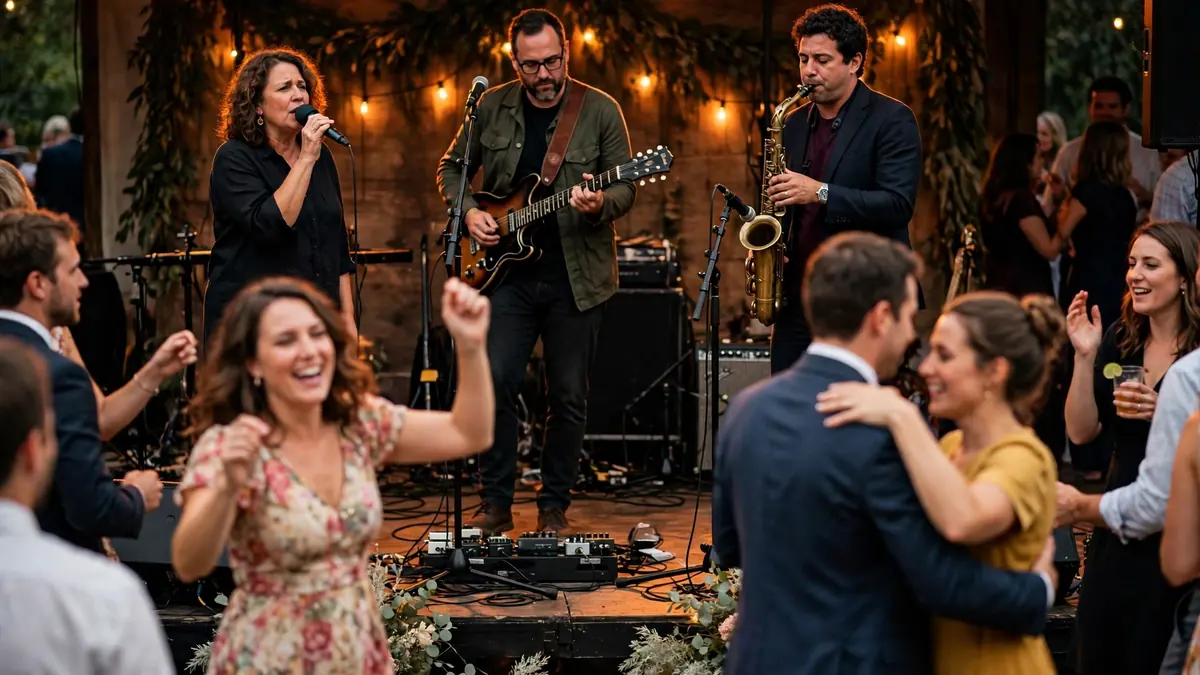
A live band costs significantly more than a DJ. According to The Knot Real Weddings Study, the average live wedding band costs $4,500, which is 150 percent more than the average DJ at $1,800. At the upper end, a sought after band in a major market can run $10,000 to $20,000 for a single evening. The gap exists for a simple reason: a DJ is one professional with a laptop and speakers, while a band splits its fee among four to eight musicians, plus equipment and rehearsal time.
| Factor | Wedding DJ | Live Band |
|---|---|---|
| National average | $1,800 | $4,500 |
| Typical range | $1,000-$2,500 | $3,500-$7,000 |
| Lower quartile | $800 | $900 |
| Median | $1,600 | $1,900 |
| Upper quartile | $2,700 | $7,000 |
| Song library | Every song ever recorded | Limited to the band’s repertoire |
| Volume control | Precise, easy to adjust | Harder to keep low during dinner |
| Breaks | Music never stops | Band takes set breaks |
How couples actually choose: 71 percent of US couples hire a DJ, 12 percent book a live band, and about 18 percent do a combination, often a live band for dinner and cocktails and a DJ for the dance floor. A DJ offers access to every song ever recorded, predictable volume control, and music that never stops for a set break. A band brings live energy and a visual focal point that a laptop and speakers cannot replicate, but at a much higher price.
If the band question is still open, budget at least $3,500 to $5,000 for a quality act in most markets. For budget conscious couples, the cost difference usually decides it: the gap between a DJ and a band can fund a better photographer or a full florals upgrade. If you love live music but not the price, price out a hybrid: a small trio or solo guitarist for the ceremony and cocktail hour, then a DJ for the reception.
Popular Add-Ons and Extras That Raise the Price
Add ons are where a $1,500 quote becomes a $2,500 invoice. None of them are a bad idea on their own, but each one should be a deliberate choice, not a surprise.
Uplighting is the most popular upgrade, and it changes the look of a room more than almost anything else. LED cans placed around the venue perimeter wash the walls in your wedding colors. A basic package runs $150 to $400, and a full room package runs up to $700. It is worth it in a plain ballroom or a barn with bare walls, and easy to skip if your venue already has strong ambient lighting or you are hosting a daytime wedding.

A photo booth is the priciest common add on, at $500 to $1,200 for a staffed booth with props and prints. Some DJ companies bundle it at a discount, so ask for the bundled price before you book a separate vendor. Compare the DJ bundle against a standalone company, because a dedicated photo booth vendor sometimes offers better props and print quality for a similar price.
Ceremony sound costs $200 to $500 and covers a separate speaker setup and a wireless microphone for the officiant and vows. Cocktail hour music costs $100 to $300 when it needs its own setup in a different room. Monogram or gobo lighting, which projects your initials or a pattern onto a wall or the dance floor, runs $100 to $400. Cold sparklers for the first dance or the grand entrance cost $200 to $500, and a fog machine for a first dance cloud effect is usually in the same range.
MC services are usually included in a professional DJ package, but a few DJs charge $100 to $300 extra. Before you pay extra, ask what the MC duties cover: introductions, timeline coordination, announcements, and handling the microphone during toasts. If your DJ is also your MC, confirm that the same person will be at your wedding, not a substitute from the company roster.
Hidden Fees to Watch For Before You Sign
The base quote is rarely the final number. These are the fees that catch couples off guard.
Travel and lodging fees are the most common. A DJ based in the city may charge $50 to $150 for a venue 30 to 50 miles away, plus a hotel room if the event ends late and the drive home is long. Setup and teardown fees show up with some companies, especially for early setup or a second sound system in a separate room. Ask whether setup time is included and what time the DJ arrives.
Holiday and peak date surcharges apply to New Year’s Eve, the Saturday of a holiday weekend, and peak season Saturdays from May through October. Some DJs charge 10 to 20 percent more for those dates, and the surcharge is not always in the first quote. Meal fees are another quiet line item: some contracts require a vendor meal, which costs $50 to $100 from your caterer. Both should be in the contract.
Insurance and cancellation terms are worth asking about directly. A professional DJ carries liability insurance, and some venues require proof of it before the DJ can set up. If your DJ does not carry insurance, that is a red flag, not a savings opportunity. Most DJs take a nonrefundable deposit of 20 to 50 percent, with the balance due one to two weeks before the wedding. Read the cancellation clause before you pay the deposit, and ask what happens if the DJ cancels. A professional contract names a backup DJ or a refund process.
What Makes One Wedding DJ Cost More Than Another?
Six factors move a DJ quote more than anything else, and understanding them helps you judge whether a high quote is fair or just high.
Experience and reputation come first. A DJ with ten years of weddings, a strong online presence, and glowing reviews charges more than someone just starting out. The premium is usually worth it: an experienced DJ reads the room, handles microphone hand offs without feedback, and keeps the timeline on track without being asked. Watch a DJ’s demo video before you judge the price.
Hours of coverage come second. Metro market comes third, with New York, Los Angeles, and San Francisco at the top of the range and smaller Midwest and Southern cities at the bottom. Day of the week and season come fourth: Saturday evenings in peak season, May through October, are the highest demand slots, and DJs often discount Sunday events, Friday nights, and winter dates by $200 to $500.

Add ons and equipment upgrades come fifth, and travel comes sixth. A DJ who brings a second speaker system, a subwoofer, and a full lighting rig is carrying more gear and more setup time than a DJ with two speakers and a laptop, and the price reflects that. Special skills can add to the rate as well: a bilingual DJ or a DJ who can mix a specific cultural music style often charges more. Keep those upgrades in mind when you ask how much does a wedding dj cost, because add-ons can move a quote by hundreds of dollars.
How to Save Money on Your Wedding DJ
You do not need to hire the cheapest DJ to save money. You need to cut the costs that do not change the party.
Book an off peak date. January, February, and March, plus Sunday evenings, offer meaningful discounts, and DJs often price these slots 15 to 30 percent lower than a Saturday in June. A Friday wedding can save a similar amount, and a Thursday wedding can save even more if your venue and guests are flexible.
Choose a newer professional with a strong demo. A DJ with two to three years of experience and polished sample mixes can be just as effective as a ten year veteran at half the price. Watch for the warning signs, which include no video of live events, no references, and no written contract. A newer DJ with a real demo reel and happy past clients is a smart buy.
Skip the add ons you do not need. Uplighting is beautiful but adds $150 to $700, so skip it if your venue already has ambient lighting. A photo booth can cost as much as the DJ itself, so consider a DIY alternative if that is a priority. Limit coverage hours and use a playlist for cocktail hour: if your cocktail hour is in the same room as your reception, a curated playlist through the venue’s house system can handle 60 minutes of music, saving you $100 to $300.
Get quotes from three DJs before deciding. Three quotes from similarly experienced DJs in your market can vary by $300 to $700 for the same coverage. Use the lowest quote as a negotiating anchor with your preferred choice, and ask your favorite DJ to match the inclusions of a cheaper quote rather than just the price.
Questions to Ask a Wedding DJ Before You Book
Once you have a shortlist, these questions separate the professionals from the risky bookings. Ask them in a call or a meeting, not just by email.
What is included, and what costs extra? Get the answer in writing, as an itemized quote, before you sign anything. Do you carry liability insurance and backup equipment? A professional DJ has both, and can show proof. Who will be the actual DJ at our wedding? Some companies send a different DJ than the one you met, so get the name in the contract.
What is your overtime rate, and how is it billed? Can we review our must play and do not play list with you before the event? How do you handle song requests from guests? Some DJs take all requests, some filter them through your list, and you should know which one you are hiring. What is your backup plan if you get sick or have an emergency? A professional has an answer.
Red Flags When Hiring a Wedding DJ
A low price is not a red flag by itself, but a low price combined with any of these signs should make you walk away.
No written contract is the biggest one. A DJ who works on a handshake has no cancellation policy, no overtime rate, no backup plan, and no legal obligation to show up. No demo video or references is the second: if a DJ cannot show you a single live event or give you a past client to call, you have no evidence they can do the job. No insurance is the third, because many venues require it.
Other warning signs: a DJ who will not name the person who will actually perform at your wedding, a DJ who insists on full payment upfront instead of a 20 to 50 percent deposit, a DJ with no backup equipment, and a DJ who refuses to take a do not play list. Trust your gut in the meeting too. If the DJ talks more than they listen, or seems uninterested in your music taste, they will be the same person on your wedding day.
How Far in Advance Should You Book a Wedding DJ?
For peak season Saturdays, May through October, booking 10 to 12 months in advance is standard, especially for experienced DJs who fill their calendars quickly. Off peak and weekday weddings can sometimes be booked four to six months out, but the best DJs still go first, even in winter.
Add the DJ to your wedding planning checklist right after the venue and the photographer, because entertainment is one of the first vendors to book out. A standard booking flow is a 20 to 50 percent deposit to hold the date, a planning call two to four weeks before the wedding to lock in the timeline and the must play list, and the balance due one to two weeks before the event. Get every date, every rate, and the name of your DJ in the written contract before you pay the deposit.
Frequently Asked Questions About Wedding DJ Cost
How much does a wedding DJ cost per hour?
Most wedding DJs charge $100 to $200 per hour when billing hourly, though flat packages are more common for weddings. High demand professionals in major markets can run $300 to $500 per hour. Overtime past your contracted hours is usually $100 to $200 per hour.
Is $1,000 enough for a wedding DJ?
Yes, in most markets $1,000 will book a newer DJ for a three to four hour reception. Options are more limited in high cost metros like New York or San Francisco. In smaller cities and rural areas, $1,000 can cover solid mid range coverage.
Do wedding DJs charge more for the ceremony?
Yes. Ceremony sound needs a separate speaker setup and a wireless microphone for the officiant and vows, which most DJs treat as an add on priced at $200 to $500 on top of the reception package.
What does a wedding DJ typically provide?
A standard wedding DJ package includes the DJ, sound equipment such as speakers, a subwoofer, and a mixer, basic dance floor lighting, a wireless microphone for toasts, and MC services such as announcing the wedding party entrance, first dance, and cake cutting. Uplighting, photo booths, and ceremony sound are extra.
Is a DJ or a live band better for a wedding?
It depends on your priorities. A DJ offers the full music catalog, reliable volume control, and lower cost, averaging $1,800 versus $4,500 for a band. A live band delivers energy and a visual focal point, but at a significantly higher price and with a more limited song selection. Seventy one percent of US couples choose a DJ, according to The Knot Real Weddings Study.
How much should you budget for wedding entertainment?
Most couples spend about 3 percent of their total wedding budget on music and entertainment, according to Zola. On a $30,000 wedding, that is about $900, which covers a budget DJ. On a $50,000 wedding, it is about $1,500, which lands in the mid range. Some planners suggest 8 to 10 percent if entertainment is a top priority, which would cover a premium DJ or a DJ plus a live musician for the ceremony.
How much does a wedding DJ cost comes down to three choices: how many hours you need, how experienced you want your DJ to be, and which extras you add. A national average of $1,800 is a fair planning number, most couples pay $1,000 to $2,500, and the quote you sign should be itemized so you can see exactly what the money buys. Get three quotes, read the contract, confirm the overtime rate and the backup plan, and book early for a peak season Saturday. Before you sign, ask again how much does a wedding dj cost for the exact hours and add-ons in your quote.