Engagement Photos: The Complete Guide

Engagement photos are the first professional portraits most couples take together, and they do a lot more work than most people expect. They announce your engagement, they give you beautiful images for save-the-dates and your wedding website, and they let you practice being in front of a camera before the wedding day. About 78 percent of couples married in the United States in 2024 took engagement photos, and for good reason: the session is relaxed, fun, and usually over in an hour or two. This guide covers everything you need to know, from what engagement photos cost to what to wear, where to shoot, and how to time them with your save-the-dates.
What Are Engagement Photos (and Do You Need Them?)
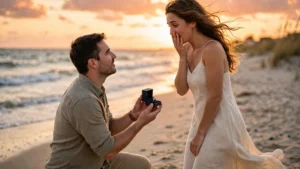
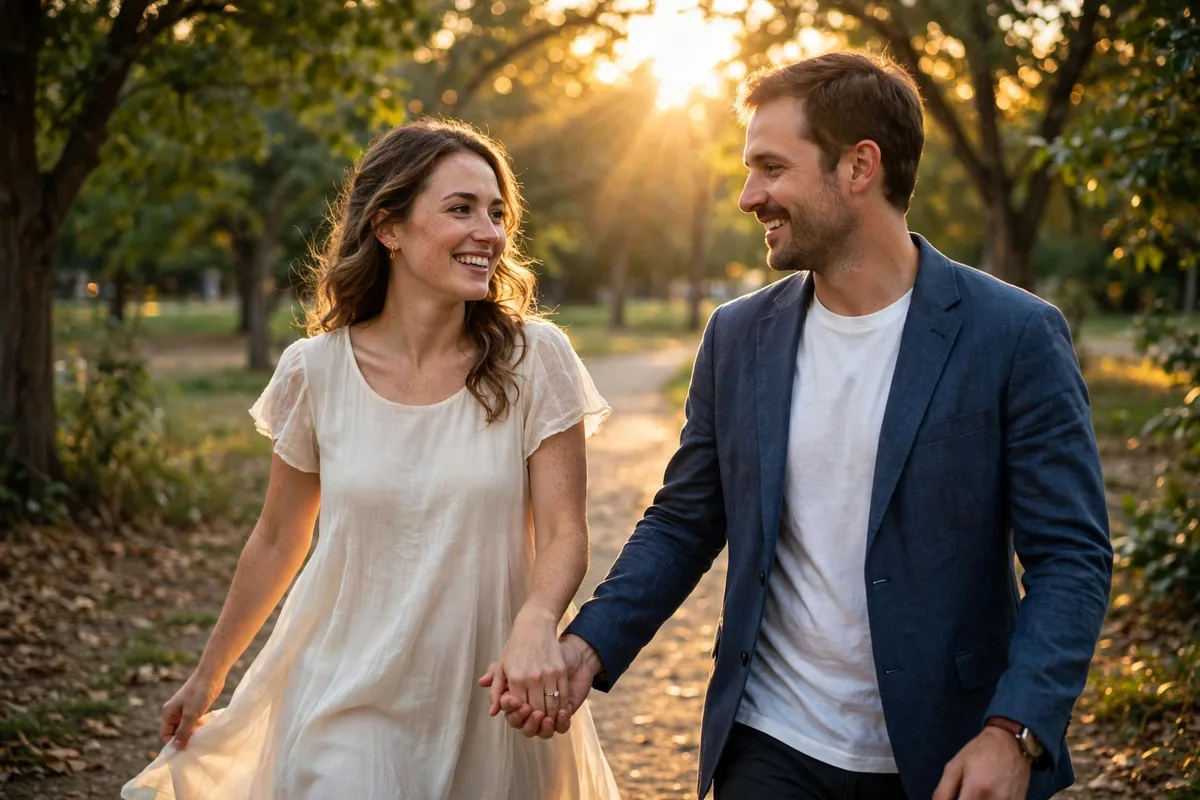
Engagement photos are professional portraits taken after the proposal and before the wedding. They celebrate the engagement itself, not the wedding, so the mood is usually casual and personal. Couples shoot them in a favorite park, on a beach at sunset, in the neighborhood where they met, or in a studio. The photos end up on save-the-dates, wedding websites, social media announcements, and sometimes on display at the reception.
You do not strictly need engagement photos. No vendor requires them and your wedding will happen without them. But most couples who skip them say the same thing afterward: they wish they had them. The session gives you three things that are hard to get any other way. First, a set of polished photos of the two of you at the very start of your engagement, when the excitement is fresh. Second, practice in front of a camera with the photographer who may shoot your wedding, so the wedding day feels familiar instead of awkward. Third, a test run of working with that photographer, so you find out before the wedding whether you actually like their style and direction. If your proposal just happened and you are still deciding what comes next, our guide to proposal ideas can help you plan the celebration around it.
How Much Do Engagement Photos Cost?
Most couples in the United States spend between $200 and $800 on engagement photos. The national average for a standalone engagement session is about $319, according to 2026 Thumbtack data, with most sessions landing between $250 and $406. At the low end you can find mini-sessions for $150 to $200. At the high end, experienced photographers in big cities like New York, Los Angeles, and San Francisco charge $800 to $1,500 for a longer session with multiple locations and a large edited gallery. Many wedding photographers also include an engagement session free or at a discount when you book them for the full wedding day, usually as a $400 to $800 add-on if purchased separately.
What you pay depends on four things: the photographer’s experience, the length of the session, the number of locations, and what is included afterward. A one hour session at one nearby park with 30 edited photos costs far less than a three hour session across two locations with 80 edited photos, prints, and an album. Travel matters too. Photographers often charge $0.50 to $1.00 per mile beyond a set radius, and destination sessions can add $200 or more. Location permits are usually your cost as well, and they range from free in most city parks to $25 to $50 in county and state parks, and $50 or more in national parks.
| Package Type | Typical US Cost Range | What You Usually Get |
|---|---|---|
| Mini-session | $150 to $300 | 15 to 30 minutes, one location, 10 to 20 edited photos |
| Basic session | $300 to $600 | 1 hour, one location, 30 to 50 edited photos, online gallery |
| Premium session | $600 to $1,000 | 2 hours, two locations, outfit change, 50 to 80 edited photos, print release |
| Luxury session | $1,000 to $1,500 | 3 hours, multiple locations, 80 or more edited photos, prints and album credit |
| With wedding booking | $0 to $800 | Often included free or discounted with a full-day wedding package |
Before you book, ask exactly what is included. Some photographers deliver only a set number of edited photos and charge extra for the rest. Others include the full gallery, a print release, and an online ordering store. Ask about the turnaround time too, because it affects your save-the-date schedule. Most photographers deliver a preview gallery within one to two weeks and the full gallery within three to six weeks.
When to Take Engagement Photos
The best time to take engagement photos is four to six months before your wedding, which is the window most wedding photographers recommend. That timing works because your save-the-dates go out six to eight months before a local wedding, or eight to ten months before a destination wedding, so shooting a little earlier gives you time to get the photos back, design the cards, and mail them. Work backward from your mailing date, not forward from your proposal. If your save-the-dates must go out in March, book the shoot for January or February.
That said, there is no wrong time to take engagement photos. Some couples shoot the week after the proposal, while the excitement is still fresh. Others shoot a few days before the wedding, when the planning stress has eased and the outfits are ready. Pick the season that matches the look you want: spring for fresh flowers and soft green, summer for beaches and long evenings, fall for colorful leaves and cozy sweaters, winter for snow, city lights, and warm coats. Fall is the most popular season, so photographers book up fast. If you want October leaves in New England or the Midwest, reserve your date as soon as you book your photographer.
Book your photographer six to eight weeks before your ideal shoot date, and earlier for peak fall weekends. Most sessions last one to two hours and start about two hours before sunset, when the light is soft and golden. Midday sun is the hardest light to shoot in, so morning sessions start early, usually within two hours of sunrise. Always set a backup rain date with your photographer, especially for spring sessions. If you are planning the party that follows the announcement, our engagement party planning guide covers timing, guest lists, and budgets.
How to Pick an Engagement Photographer
Your engagement photographer may also become your wedding photographer, so choose carefully. Start by looking at full galleries, not just the highlight reels on Instagram. A highlight reel shows ten perfect shots. A full gallery shows whether the photographer delivers consistent quality across an entire session, in good light and bad. Ask to see two or three complete engagement galleries from real couples.
Then check the practical details. Ask how long the session lasts, how many edited photos you receive, how long delivery takes, and whether you get a print release and the rights to share the photos online. Ask what happens if it rains, if the photographer gets sick, or if a location falls through. A professional has a backup plan and a backup photographer. Ask about travel and permit fees upfront, so the final bill has no surprises. Finally, meet them on a video call or in person before you sign. You will spend an hour or two being directed by this person, and you will spend the whole wedding day with them if you hire them for that too. You should feel comfortable, not managed. If you want a sense of what wedding-day photography costs before you commit, read our guide to wedding photographer cost for current US price ranges.

What to Wear for Engagement Photos
What to wear is the question photographers hear most, and the answer is simpler than most couples expect. Wear clothes that look like the two of you on a good day, coordinated in color and formality without matching exactly. Most photographers suggest bringing two outfits: one casual and one dressier. You get two moods from one session, and the outfit change gives you a natural break halfway through. A flowing dress and a blazer works for the dressy look, while well-fitted jeans and a nice top works for the casual one.
Follow a few simple rules and the photos take care of themselves. Choose solid colors or small, subtle patterns, because busy patterns and neon colors fight with your faces for attention. Pick colors that flatter your skin tone and stand out from the background: soft neutrals and pastels for light skin, richer jewel tones for deeper skin. Wear layers when the weather allows, like a light jacket, a cardigan, or a scarf, because layers add depth and give you something to do with your hands. Choose comfortable shoes you can actually walk in, because you will be moving between spots for an hour or two, often on grass, gravel, or sand. Bring a second pair of flat shoes for walking between locations if your photo shoes are heels.
Avoid the few things the camera punishes. Skip logos, graphic tees, and athleticwear, which look out of place in a romantic portrait and date the photos fast. Skip skin-tight stretchy clothes, which can show every line of undergarments. Skip all-white outfits in bright sun, because white blows out in harsh light, and skip all-black in dark forests, because you can disappear into the background. Avoid overly trendy pieces you may regret in five years. Timeless beats trendy in photos you will frame, print, and look at for decades. When in doubt, send outfit photos to your photographer before the session. A good photographer will tell you honestly what works and what clashes with the location.
Where to Take Engagement Photos
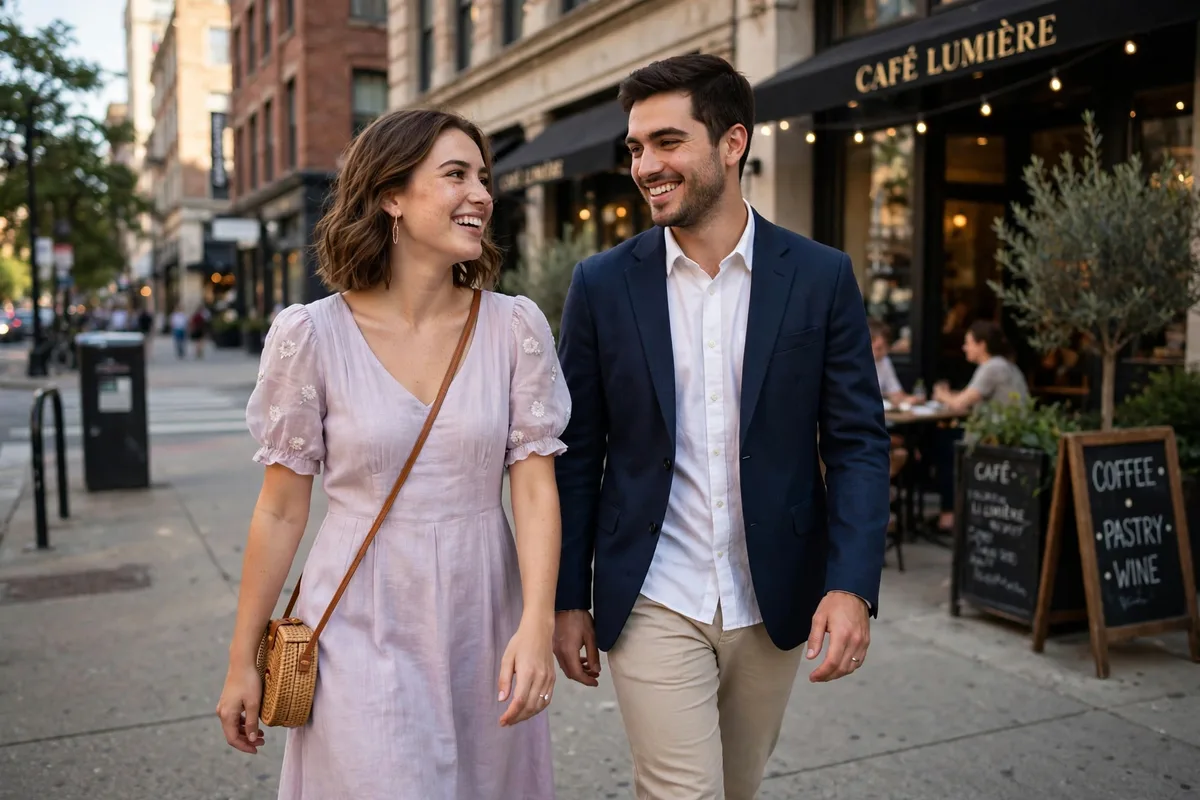
The best engagement photo location is one that means something to you. The coffee shop where you first met, the park where you walk your dog, the neighborhood bar where you had your first date, or the trail where you got engaged will always beat a pretty place with no story. Photographers love meaningful locations because couples relax there, and relaxed couples photograph beautifully. If you have no obvious meaningful spot, pick a location type that matches the mood you want.
Parks and gardens are the most popular choice, and for good reason. They are free or cheap, they look good in every season, and they give you paths, trees, benches, and open grass in one place. Central Park in New York, Golden Gate Park in San Francisco, and the Chicago lakefront are classic examples, but your local park works just as well. Beaches give you sunset light and wide open space, though wind and sand can complicate hair and shoes. Downtown streets and historic districts give you architecture, cafes, murals, and a modern urban feel. Vineyards and wineries, like those in Napa Valley, give you golden rows of vines and elegant tasting rooms, though many charge a location fee. National parks give you dramatic landscapes, but they require permits that start around $50 and need to be arranged weeks ahead. Your own home can be the most personal location of all: a cozy living room, a backyard garden, or a front porch shoot feels intimate and honest.
Check permits before you fall in love with a location. Most city parks allow small photo sessions for free, but some require a permit submitted a week ahead. County and state parks often charge $25 to $55. National parks, botanical gardens, museums, hotels, and private venues almost always require a permit or a fee, and some limit photography to certain hours or ban tripods and lighting equipment. Your photographer usually knows the local rules, but confirm them yourself so the session is not interrupted. If your dream location charges a fee, ask whether it is included in your package or billed separately.
Engagement Photo Posing Tips
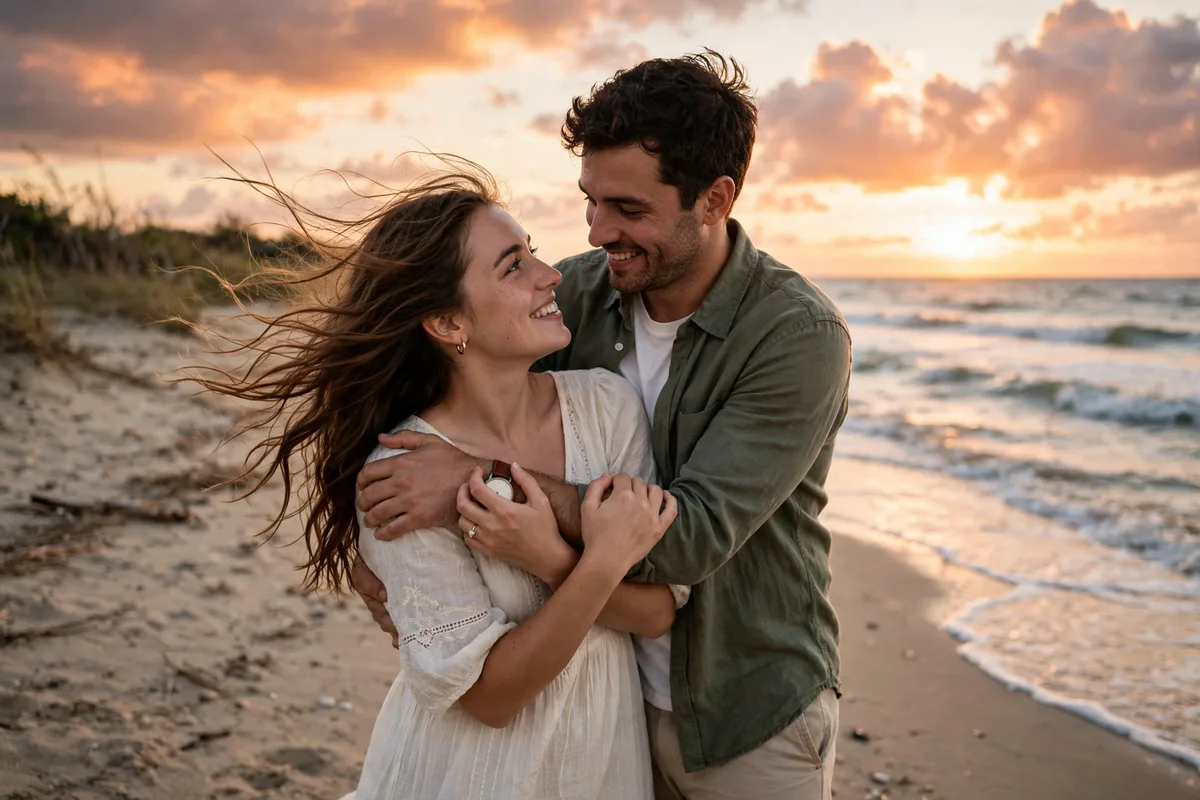
Most couples worry about posing, and almost none of them need to. A good photographer directs you the whole time, so your job is to relax and interact with your partner, not to perform. The best engagement photos are rarely the stiff, look-at-the-camera portraits. They are the ones where you are laughing, walking, whispering, or holding each other the way you do when nobody is watching. Trust the photographer to guide you into those moments.
A few habits help. Keep your hands busy: hold hands, touch your partner’s arm, fix their collar, or hold a coffee cup or a bouquet. Look at each other more than at the camera, because connection photographs better than a forced smile. Move slowly between poses instead of freezing, because walking, turning, and leaning into each other creates natural motion. If you feel awkward, tell your photographer. They have heard it a hundred times and they have tricks for it, like giving you a prompt instead of a pose: tell each other your favorite thing about the other person, or try to make each other laugh without touching. The laughter that follows is always the best shot of the session.
Camera-shy couples should say so at the booking call, not on the day. Ask the photographer to shoot mostly candid and lightly guided, with very few formal portraits. Plan a session built around an activity you both enjoy, like a picnic, a coffee date, a walk with your dog, or cooking together at home. Activities give you something real to do, and the photos capture the two of you being yourselves. Bring your dog if you want, but bring a friend to hold the leash between shots, and bring treats to keep your pet looking at the camera.

What to Do With Your Engagement Photos
Your engagement photos have a job to do after the session ends, so plan their uses before you shoot. The most common use is save-the-dates. Pick your favorite horizontal photo with space around your faces, because the card design needs room for your names and the wedding date. Order the cards as soon as your gallery arrives, so mailing stays on schedule. The photos also belong on your wedding website, where a few favorites on the home page and the story page make the site feel personal instead of generic.
Print them. Couples who only keep photos on a phone lose them to forgotten passwords and dead hard drives. Order a few large prints for your home, a small album for the coffee table, and framed prints for parents and grandparents, who will love them more than anything else you could give. Use one favorite at the reception, either on the welcome table, in a guest book that guests sign around the photo, or as a large print near the entrance. Share a handful on social media, not the whole gallery. Three or four of your best shots will get far more love than fifty, and you keep the rest as a surprise for the wedding website and the album.

Frequently Asked Questions About Engagement Photos
How much do engagement photos cost?
Most couples in the United States spend $200 to $800 on engagement photos. The national average for a standalone session is about $319, according to 2026 Thumbtack data. Mini-sessions cost $150 to $300, basic one hour sessions cost $300 to $600, and premium two hour sessions with multiple locations cost $600 to $1,000. Many wedding photographers include the session free or discounted when you book them for the wedding day.
When should I take engagement photos?
Take them four to six months before your wedding, which leaves time to receive the gallery, design save-the-dates, and mail them six to eight months before a local wedding or eight to ten months before a destination wedding. If you prefer, shoot right after the proposal or a few days before the wedding. The season matters more than the exact month, so pick the look you want first and book around it.
What should I wear for engagement photos?
Wear two outfits: one casual and one dressier, coordinated in color and formality without matching exactly. Choose solid colors or small subtle patterns, comfortable shoes, and layers for depth. Avoid logos, busy patterns, neon colors, athleticwear, and overly trendy pieces. Send outfit photos to your photographer before the session for a quick check.
How long does it take to get engagement photos back?
Most photographers deliver a small preview gallery within one to two weeks and the full edited gallery within three to six weeks. Ask about turnaround before you book, because it affects your save-the-date schedule. Rush delivery is sometimes available for an extra fee of $50 to $150.
Do I need engagement photos if I already hired a wedding photographer?
You do not need them, but they are worth it. The session lets you practice posing, test whether you enjoy working with your photographer, and get photos for save-the-dates and your wedding website. Many wedding photographers include the engagement session in their package, so ask before you book a separate session.