
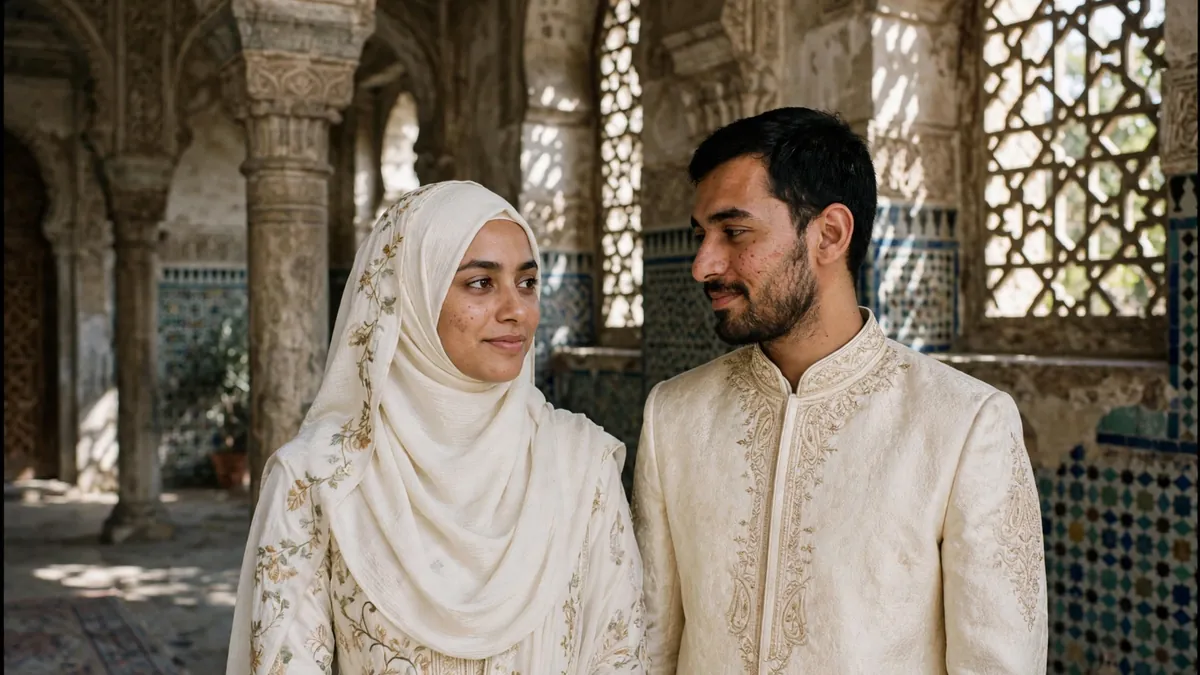
Nikkah Ceremony Guide: Rituals, Mehr & US Legal Steps
The nikkah is the Islamic marriage ceremony — the moment a couple becomes husband and wife under Islamic law. There are no vows, no processional, no first kiss. It is a contract: an offer, an acceptance, witnesses, and a gift called the mehr. The ceremony itself often takes under an hour. But if you are planning one in the United States, the ritual order is only half the story. You also need a marriage license and a mosque or imam who can legally sign it. This guide covers the full picture — ceremony order, mehr, US legalities, and mosque booking.
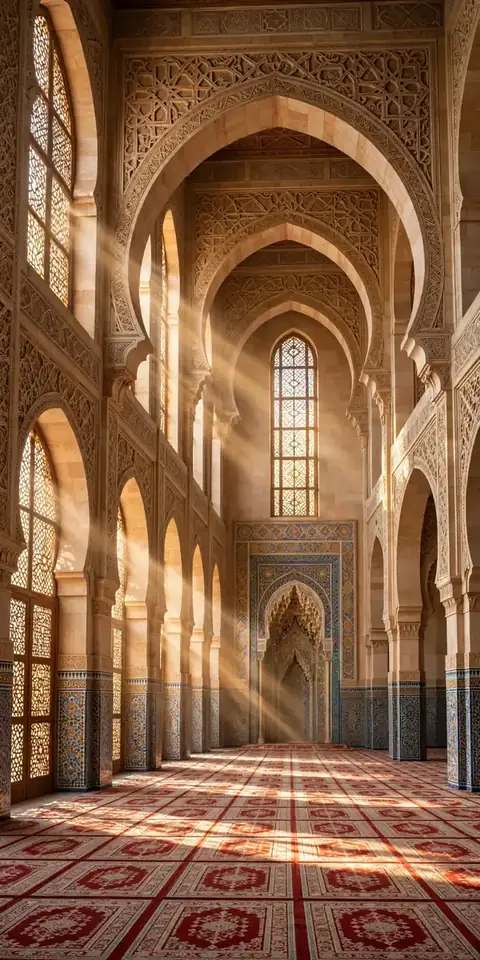
What Is a Nikkah Ceremony?
A nikkah (also spelled nikah) is the formal Islamic marriage contract — the bond that makes a union valid in the eyes of the faith, both spiritually and legally. Five elements are generally required:
- The bride and the groom, both consenting freely.
- A wali — the bride’s guardian, usually her father — who represents her interests.
- The offer and acceptance (ijab and qubul).
- Two witnesses, adult Muslims who validate the contract.
- The mehr, a mandatory gift from the groom to the bride.
Details vary between schools of Islamic thought, so confirm them with your imam. For how the nikkah fits alongside the mehndi, sangeet, and walima, see our Desi Wedding Planning Guide.
The Nikkah Ceremony Order, Step by Step
The nikkah is deliberately simple. Here is the order most US couples follow, whether at a mosque, at home, or at a venue.
1. Gathering and seating
Guests arrive and take their seats — at a mosque, men and women often sit separately, on different floors or opposite sides of the room. The bride sits with the women, the groom with the men. There is no processional.
2. The khutbah (sermon)
The imam opens with the khutbah-tun-nikah, a short sermon with Quranic verses on marriage and a reminder of each spouse’s rights and responsibilities.
3. The wali confirms the bride’s consent
The imam confirms with the bride’s wali that she agrees to the marriage freely and accepts the mehr. In many families, the imam or a female relative asks the bride directly in the women’s area and returns with her answer.
4. Ijab and qubul: offer and acceptance
The heart of the nikkah. The imam asks the groom if he accepts the bride in marriage; he answers “Qubul hai” — “I accept” — three times. The bride’s acceptance comes through her wali or directly. Once both accept before the witnesses, the couple is married under Islamic law.
5. The mehr is confirmed
The agreed mehr is announced and recorded in the contract — given now, promised for later, or split between the two (see below).
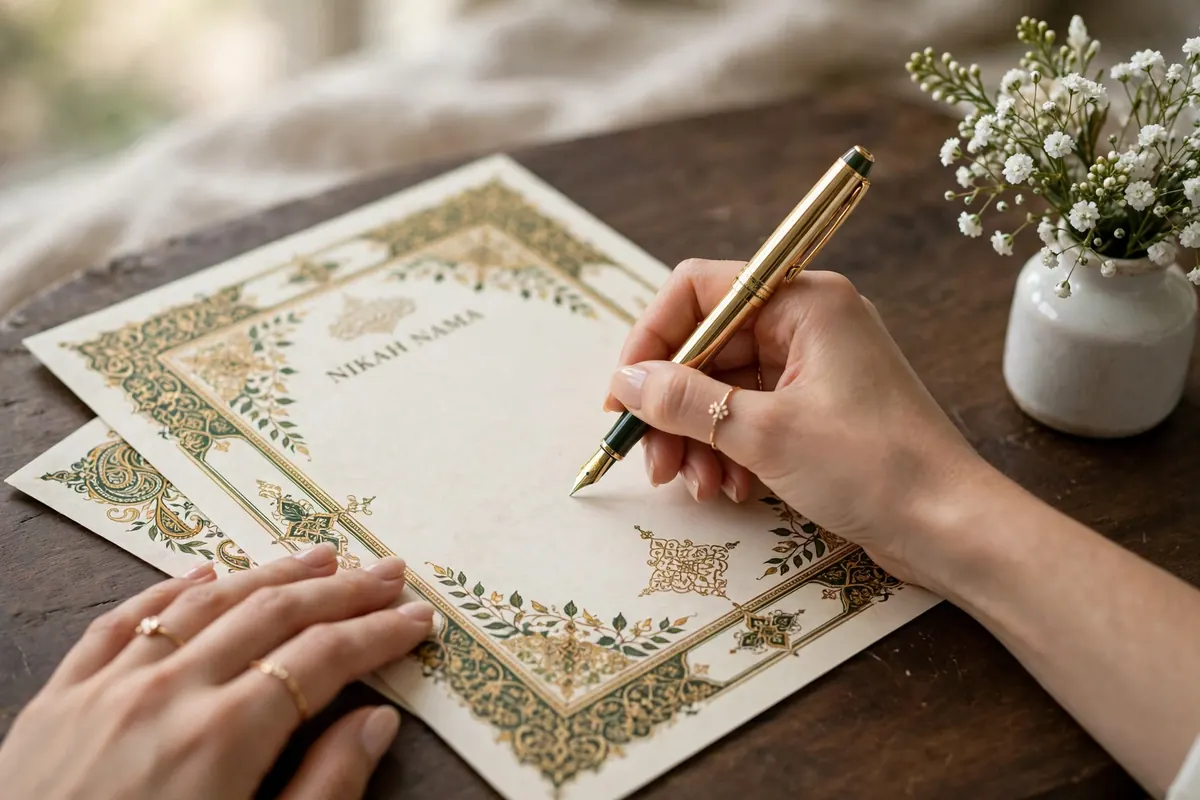
6. Signing the nikah nama
The bride, groom, wali, and witnesses sign the nikah nama, the written contract. Many couples also sign a decorative calligraphed copy to frame as a keepsake.
7. Dua, congratulations, and sweets
The imam recites a dua (supplication) for the couple. Guests congratulate the families, and the hosts distribute sweets or dates. The religious ceremony runs 30 to 45 minutes; with portraits and mingling, plan two to three hours.
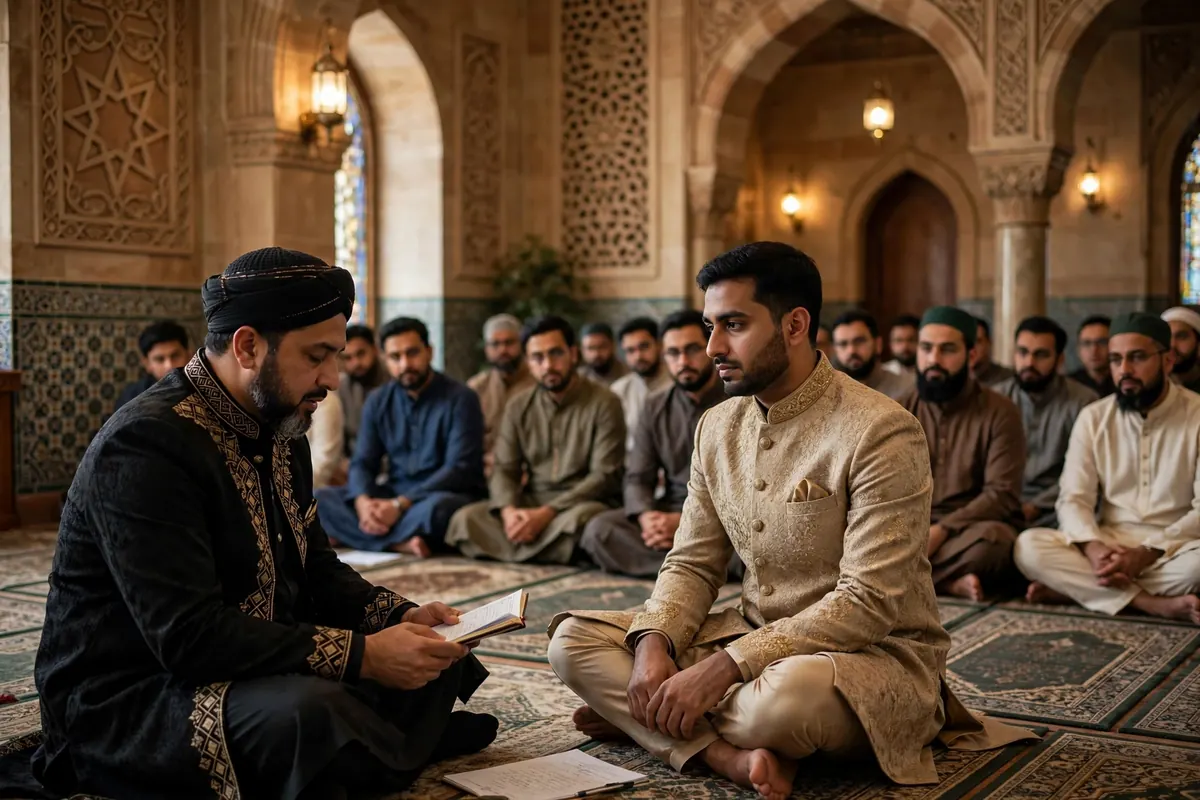
Mehr Explained: The Gift the Groom Gives the Bride
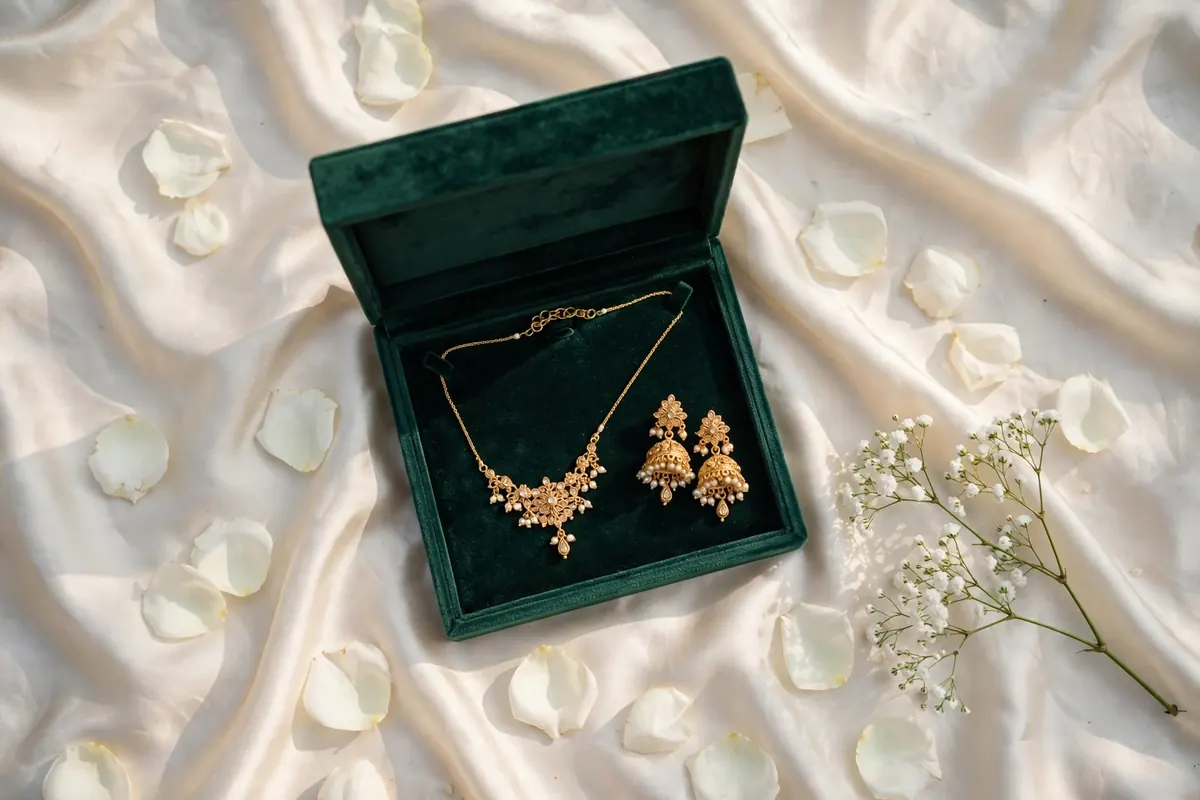
The mehr is a mandatory gift from the groom to the bride — not her family, and not a dowry. It belongs to her alone, as her financial security in the marriage. Two common structures:
- Prompt mehr: given at or shortly after the nikkah — cash, jewelry, or another agreed asset.
- Deferred mehr: promised now, payable later (often on divorce or the husband’s death), and recorded in the nikah nama as a safeguard.
There is no fixed amount — it is agreed before the ceremony and varies widely with means and custom.
Is a Nikkah Legally Binding in the US?
The question every US couple asks — and no nikkah guide answers. The short version: a nikkah alone does not make you legally married in the United States. The nikah nama is a religious contract; US law requires a separate civil process. Without it, you may be married in faith but not in law — affecting taxes, insurance, immigration, and inheritance. Combining the two is straightforward:
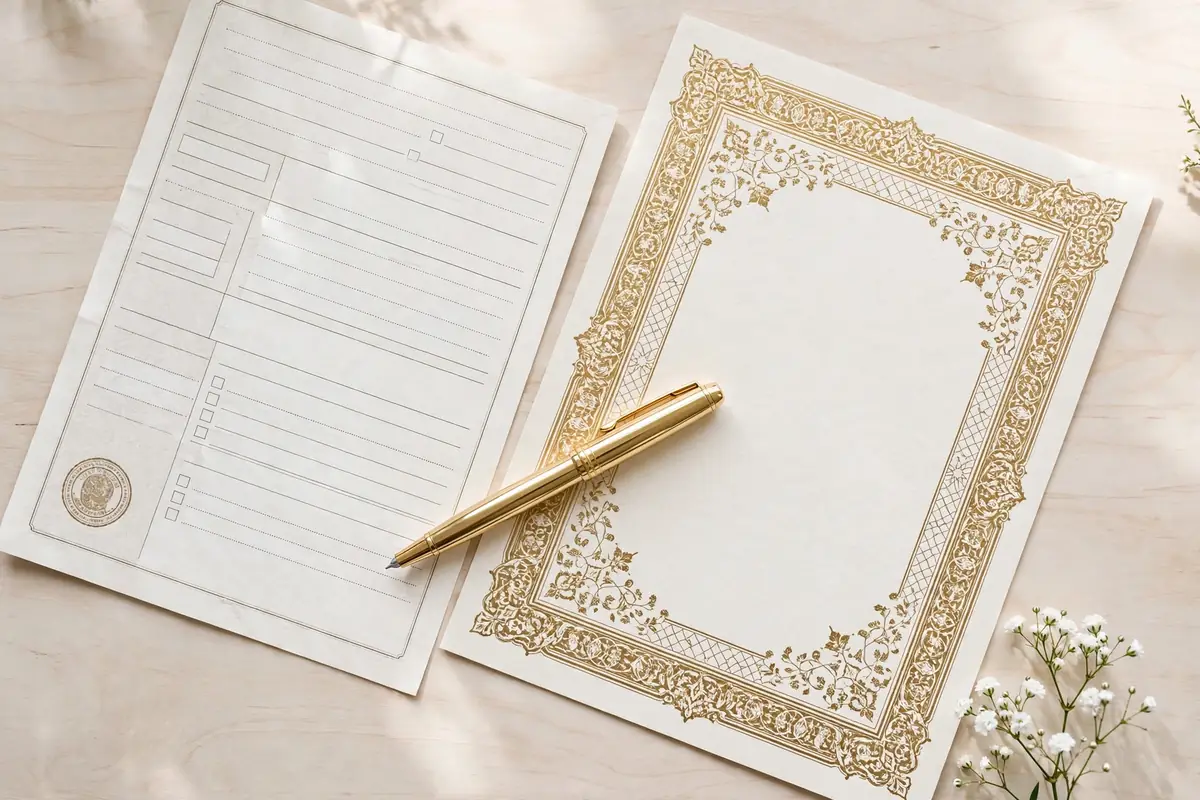
Step 1: Get a marriage license from your county
Visit your county clerk’s office before the nikkah, both partners in person with photo IDs. Fees typically run $30 to $100. Most states have a short waiting period (often 1–3 days) and the license stays valid for a limited window — commonly 30 to 90 days. Check your county clerk’s website for exact rules.
Step 2: Have your imam officiate and sign
In most states, a religious officiant — including an imam — can solemnize the marriage and sign the license. Confirm in advance that your imam is willing to act as the legal officiant and that your state recognizes him; in nearly all states, it does.
Step 3: File the signed license
After the ceremony, return the signed license to the clerk’s office within a few days. Once recorded, order certified copies of your marriage certificate — you will need them for a name change, joint accounts, and benefits.
Which comes first: nikkah or license?
Get the license first. The imam can only sign a valid, unexpired license on the ceremony day. Some couples visit the courthouse beforehand for simplicity; others do it all on the same day. Either works — just don’t let the license expire first.
How to Book a Mosque and Imam in the USA
Start early — ideally two to three months out. Begin with your family’s mosque; many give priority to community members. New to an area? Ask married friends, or look for a “nikah services” page on local Islamic centers. Large centers in metro areas (Houston, Chicago, New York, DC, Los Angeles, Dallas, Atlanta) often have formal request forms.
What mosques typically require
Expect to provide both partners’ IDs, the marriage license (or proof of application), your witnesses’ names, and the agreed mehr amount. Some mosques ask for a brief premarital meeting with the imam. Ask early — surprises are the enemy here.
Questions to ask when booking
- Is photography/videography allowed in the prayer hall?
- Where can mixed family photos be taken afterward?
- What are the time limits around prayer times?
- Is another nikkah booked before or after ours?
- Can the imam sign our marriage license as officiant?
- What donation or fee is expected? (Commonly $150–$500 total in the US, including a gift to the imam.)
How Much Does a Nikkah Cost in the US?
The religious core needs almost nothing — a room, an imam, witnesses, a contract. Typical ranges:
- Mosque donation + imam gift: $150–$500
- Decorative nikah nama and pen: $30–$100
- Simple decor: $200–$1,000+
- Photography (2–3 hours): $500–$1,500
- Outfits: $200–$2,000+
A simple mosque nikkah often totals under $1,500. A nikkah folded into a full wedding weekend follows standard desi-event math — see our Desi Wedding Planning Guide for multi-day costs.
Nikkah Planning Checklist
- Agree on the mehr (prompt, deferred, or split).
- Choose your two witnesses.
- Book the mosque and imam (2–3 months ahead).
- Apply for the county marriage license inside its validity window.
- Confirm the imam will sign the license as officiant.
- Order your nikah nama (allow 2–3 weeks for custom calligraphy).
- Plan seating, decor, and photography around the mosque’s rules.
- Arrange sweets or dates for after the dua.
- File the signed license; order certified copies within a week.
For Guests: What to Expect and What to Wear
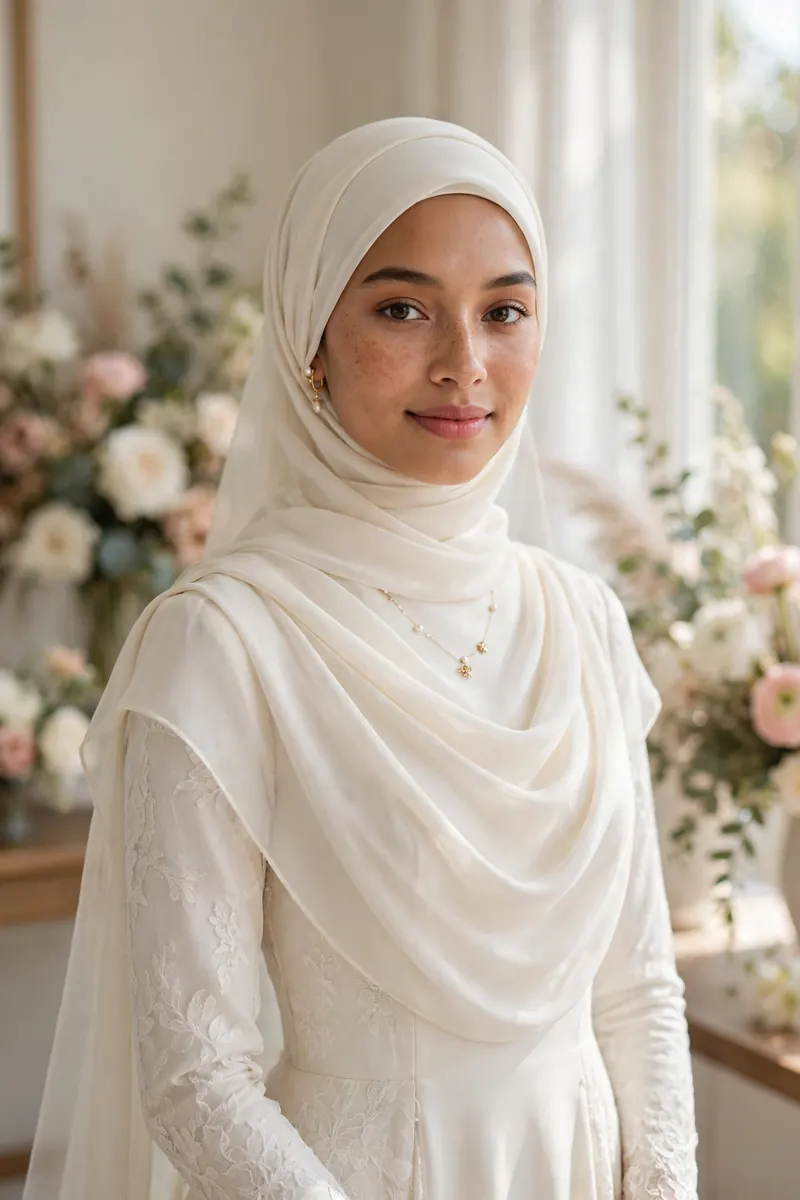
Dress modestly — loose, festive clothing with sleeves; women should bring a scarf or dupatta for inside the mosque. Shoes come off before the prayer hall. Expect gender-separated seating, no alcohol, and a quiet, brief ceremony rather than a performative one. Photography may be restricted during the religious portions. For the livelier events with looser dress codes, see our Mehndi Ceremony Planning Guide and Sangeet Night Planning Ideas.
Frequently Asked Questions
Can we have the nikkah at home instead of a mosque?
Yes — a nikkah is valid wherever its requirements are met, including at home.
Do we still need a civil marriage license?
Yes, for US legal recognition. The nikkah covers the religious requirement; the license covers the legal one. Get it before the ceremony so the imam can sign it.
How long does a nikkah take?
The ceremony itself: 30 to 45 minutes. With arrivals, congratulations, sweets, and portraits, block out two to three hours.
Can the bride speak her own acceptance?
Practices vary by family and school of thought — sometimes the wali conveys it, sometimes the bride answers directly. Discuss it with your imam beforehand.
What if one partner is not Muslim?
Rulings on interfaith marriage vary, and imams differ on what they will officiate. Talk to your imam early — this is the most common reason couples adjust their plans.
At its core, a nikkah is beautifully simple — an offer, an acceptance, witnesses, and a gift. The complexity is in the planning around it: the license, the mosque booking, the mehr discussion. Handle those early, and the ceremony takes care of the rest.