
Italy Honeymoon: Costs, Itinerary & Best Places

An Italy honeymoon is the trip most American couples picture when they close their eyes and imagine newlywed life: slow mornings with espresso and warm cornetti, afternoons wandering ancient streets hand in hand, and evenings over candlelit pasta in a town you had only seen in movies. Italy delivers all of that, but it rewards couples who plan it well. Pick too many regions, travel in the wrong month, or book flights without thinking about routing, and a dream trip turns into a blur of train stations. This guide fixes that. You will find the best places for a honeymoon in Italy, realistic costs in US dollars, a relaxed 12 day itinerary, the best months to go, and the practical tips that first time visitors from the United States actually need.
If you are still deciding how much of your wedding budget should go toward the trip itself, read our wedding budget breakdown before you start booking, so the honeymoon number fits the bigger picture.
Why Italy Is the Classic Honeymoon Choice
Italy works for honeymoons because it packs variety into a small, easy to travel country. In a single trip you can have big city energy in Rome, art and wine in Florence and Tuscany, cliffside glamour on the Amalfi Coast, canal romance in Venice, and island time in Sicily. High speed trains connect the major cities in two hours or less, so you spend your honeymoon sightseeing, not sitting in transit. The food needs no introduction, and even a simple trattoria dinner feels like an occasion when you are newly married.
Italy is also forgiving for first time international travelers. English is widely spoken in hotels, restaurants, and tourist areas. US credit cards work almost everywhere, ATMs are easy to find, and the time difference from the East Coast is only six hours, which makes jet lag manageable. For couples who want a trip that feels both adventurous and comfortable, Italy is hard to beat.
Best Places for an Italy Honeymoon
Here is the honest truth most guides skip: you cannot see all of Italy in one honeymoon, and you should not try. The best trips pick two regions, or three at most on a two week trip, and give each one room to breathe. These six places are the ones worth building a trip around.
Rome: The Grand Opening
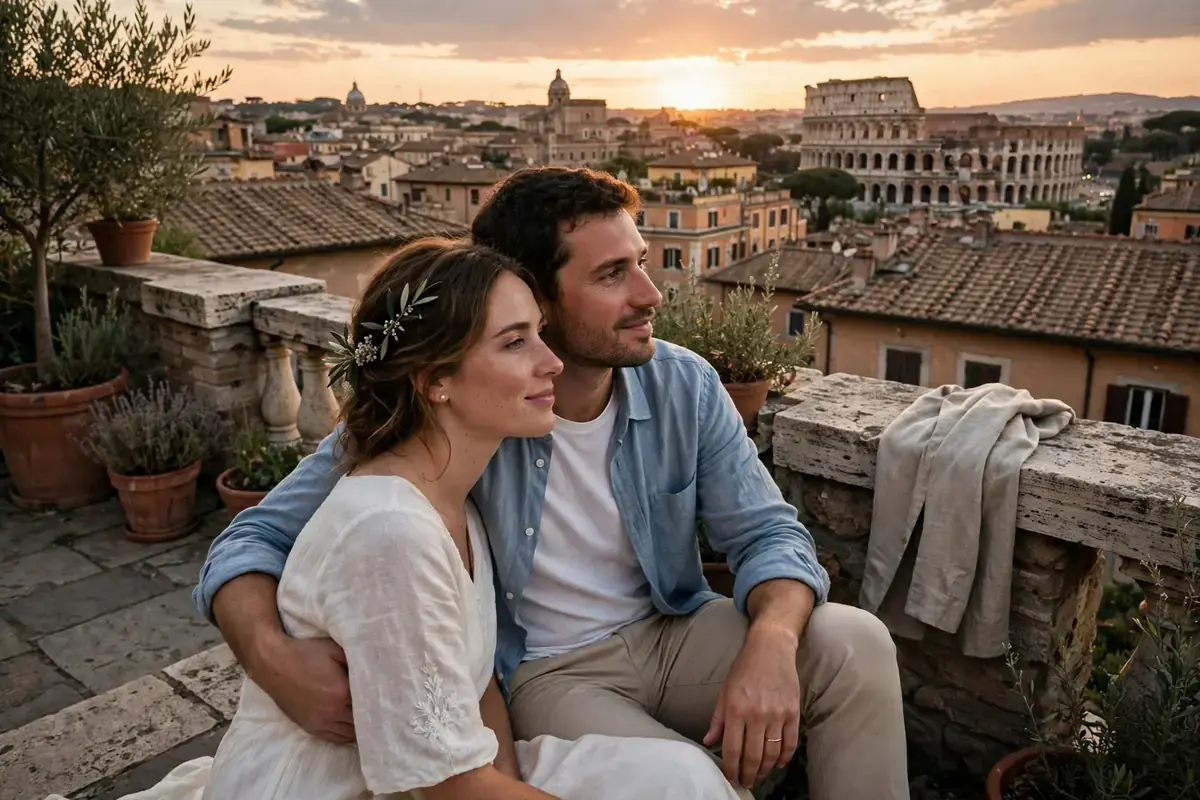
Rome is the natural first stop for most US couples because so many flights from the United States land at Rome Fiumicino Airport. Spend two or three nights here. Walk the Colosseum and Roman Forum in the morning before the crowds build, toss a coin in the Trevi Fountain together, and spend your evenings in Trastevere, where ivy covered lanes and small restaurants feel made for lingering dinners. Book Colosseum and Vatican tickets weeks ahead. Lines without reservations can eat half a day, and that is the last thing you want on a honeymoon.
Amalfi Coast: The Showstopper
Positano, Amalfi, and Ravello are the postcard version of an Italy honeymoon: pastel houses stacked down cliffs, lemon groves, and the sea glittering below. Stay in Positano for the classic experience or Ravello for quieter luxury and unforgettable views. Take a private or small group boat day to Capri, swim in hidden coves, and book one long sunset dinner overlooking the water. The Amalfi Coast is also the priciest part of Italy, so plan it as your splurge segment rather than your whole trip.
Tuscany: The Slow, Romantic Middle
Tuscany is where honeymoons slow down in the best way. Base yourself in Florence for two nights, then rent a car and spend two or three nights in the countryside around Siena, Pienza, or the Val d’Orcia. Days here look like this: a late breakfast, a wine tasting in Chianti, a long lunch in a hill town, and a sunset drive back to a stone farmhouse or agriturismo. Tuscany is the easiest region in Italy to do nothing in, and on a honeymoon that is a feature, not a flaw.

Venice: Two Perfect Nights
Venice is the most romantic and the most divisive stop in Italy. Do it right and it is unforgettable: arrive by water taxi, get lost in quiet lanes away from St. Mark’s Square, take a gondola ride in the early evening when the day trippers have left, and eat dinner in Cannaregio or Dorsoduro where locals actually eat. Two nights is the sweet spot. Any longer and the crowds and prices start to wear on you. Venice pairs beautifully with Lake Como or Florence, but avoid pairing it with the Amalfi Coast on a trip under two weeks. They sit at opposite ends of the country, and you will spend your honeymoon in transit.
Florence: Art You Can Actually Enjoy Together
Florence is small enough to walk end to end, which makes it the most relaxing Italian city for couples. See Michelangelo’s David at the Accademia and the Uffizi Gallery in the morning, climb to Piazzale Michelangelo for sunset views over the terracotta rooftops, and eat your way through the San Lorenzo market and the Oltrarno neighborhood across the river. Florence also opens directly onto Tuscany, which makes it the most efficient city and countryside pairing in the country.
Sicily: The Island Extension
If you have a full two weeks, add Sicily at the end for a completely different flavor of Italy. Taormina pairs a Greek theater with sea views and a lively old town, Mount Etna offers a half day adventure you will talk about for years, and the food, from arancini to granita, is some of the best in the country. Sicily works best as a final, slower chapter: fly from Rome or Naples to Catania, rent a car, and give it at least three nights.

Italy Honeymoon Cost: What Couples Actually Spend
For a 12 day Italy honeymoon for two, including round trip flights from the United States, most American couples spend between $9,000 and $18,000 in total. The range is wide because hotel choice and season move the total more than anything else. Here is how the tiers break down for two people sharing a room.
| Budget tier | Flights (couple) | Hotels (11 nights) | Food, transport, activities | Total for two |
|---|---|---|---|---|
| Smart and simple | $1,400-$2,200 | $1,800-$2,800 | $2,000-$3,000 | $5,500-$8,000 |
| Comfortable classic | $1,800-$2,800 | $3,300-$5,500 | $3,500-$5,000 | $9,000-$13,000 |
| Luxury and private | $2,500-$5,000 | $6,600-$11,000 | $5,000-$8,000 | $14,000-$24,000 |
The smart tier means well located three and four star hotels, trains instead of private drivers, and one special dinner rather than one every night. The comfortable tier, where most couples land, adds boutique four star hotels, a few private tours, and a splurge stay on the Amalfi Coast. The luxury tier buys five star hotels, private drivers between regions, and experiences like a private boat day on Capri without thinking twice.
Three costs surprise American couples most. First, city taxes, charged per person per night and paid at checkout, usually $3 to $8 per person. Second, the Amalfi Coast premium: comparable rooms there can cost double what they cost in Rome or Florence. Third, activities add up fast when you book private versions of everything. A shared small group wine tour in Tuscany runs about $100 to $150 per person, while a private driver and guide for the day can reach $600 or more.
To keep the trip affordable without feeling cheap, follow one rule: splurge on where you sleep and one experience per region, and save everywhere else. Breakfast is usually included at Italian hotels, so a big hotel breakfast plus a light lunch and one memorable dinner keeps food costs reasonable and the days relaxed.
Italy Honeymoon Itinerary: A Relaxed 12 Day Plan
This itinerary follows the route that works best for US couples: fly into Rome, travel north to Florence and Tuscany, then finish on the Amalfi Coast and fly home from Naples. An open jaw ticket, into one city and home from another, saves you a full day of backtracking. If Venice is a must for you, swap the Amalfi Coast days for Venice and fly home from there instead.
| Days | Where | What you will do |
|---|---|---|
| 1-3 | Rome | Arrive, recover from jet lag, Colosseum and Forum, Vatican Museums, Trastevere evenings |
| 4-5 | Florence | High speed train from Rome, Accademia and Uffizi, Piazzale Michelangelo at sunset |
| 6-7 | Tuscany countryside | Rent a car, Chianti wine tasting, Siena and Pienza, agriturismo stay |
| 8-10 | Amalfi Coast | Train to Naples, private transfer to Positano, boat day to Capri, Ravello gardens |
| 11-12 | Naples or Rome | Pompeii day trip or a final slow day in Rome, fly home from Naples or Rome |
Notice what this itinerary does not do: it does not cram Venice, Milan, Cinque Terre, and Sicily into the same twelve days. Couples who try to see everything end up remembering train stations, not each other. Two nights minimum per stop is the rule that protects your trip. One night stops are almost never worth the packing, checkout, and transfer time they cost.
Build in at least one completely unscheduled day. The best honeymoon memories rarely come from a checklist. They come from the afternoon you skipped the museum, found a tiny wine bar, and stayed for three hours because nobody was in a hurry.

Best Months for an Italy Honeymoon
May, June, September, and early October are the honeymoon months in Italy. The weather is warm without being punishing, the sea is swimmable from late May through September, and crowds are thinner than in peak summer. April is lovely and cheaper, though coastal businesses may still be opening for the season and evenings can be cool.
| Month | Weather | Crowds and prices | Best for |
|---|---|---|---|
| April | Mild, 60s F, some rain | Low to moderate | City trips, budget friendly honeymoons |
| May-June | Warm, 70s F, long days | Moderate to high | The classic honeymoon window |
| July-August | Hot, 85-95 F in Rome | Peak crowds, peak prices | Coastal stays only, if you must |
| September | Warm, 70s F, sea still warm | Moderate, easing | Amalfi Coast and Tuscany harvest season |
| October | Cool, 60s F | Low to moderate | Food, wine, and city sightseeing |
| November-March | Cool to cold, short days | Lowest prices | Budget trips, Christmas markets in December |
July and August deserve a warning. Rome and Florence in August regularly top 90 degrees, crowds peak, prices peak, and many family run restaurants close because Italians themselves are on holiday. If your wedding falls in summer and Italy is the dream, consider late September instead, or split the trip with a coastal base where heat is part of the fun. Your honeymoon should not feel like an endurance test.
Flights from the US to Italy
Round trip economy flights from the United States to Italy typically cost $600 to $1,200 per person from East Coast hubs like New York, Boston, and Washington, and $800 to $1,500 per person from the West Coast. Deals under $500 per person appear in winter and shoulder season if you watch fares early. Book three to six months ahead for the best combination of price and schedule, and always compare the open jaw option before defaulting to a round trip into and out of Rome.
Most US couples should take an overnight flight eastbound. You leave in the evening, sleep on the plane as best you can, and land in the morning with a full day ahead. On arrival, resist the nap. Stay outside in daylight, eat an early dinner, and go to bed at a normal local time. That single discipline beats jet lag faster than any supplement. West Coast couples face a longer haul, so a connection through a European hub or a stopover can make the journey gentler.
Direct flights from the US serve Rome, Milan, Venice, Naples, and Florence (seasonally). If your itinerary starts in Rome and ends on the Amalfi Coast, flying home from Naples saves hours. If Venice is your finale, fly home from Venice. The small fare difference for an open jaw ticket is almost always worth the day it saves.
Where to Stay on an Italy Honeymoon
Location matters more than luxury in Italy. In Rome, stay near the Pantheon, Piazza Navona, or Trastevere so you can walk to dinner after a day of sightseeing. In Florence, the Santa Maria Novella or Oltrarno areas keep you central without the cruise crowd noise. On the Amalfi Coast, a sea view room in Positano is worth the splurge for at least part of your stay, while Ravello suits couples who want quiet and views over beach access.
Mix your stays. A boutique hotel in the city, an agriturismo in the Tuscan countryside, and one special splurge property on the coast gives you three different honeymoon feelings in one trip. Book honeymoon friendly rooms directly when you can, and mention that you are on your honeymoon in the reservation notes. Hotels frequently add small touches, a better room, a bottle of prosecco, or a late checkout, and it costs nothing to ask.
Book early for May, June, and September. The best small hotels in Positano and the most charming agriturismi in Tuscany sell out months ahead, and honeymoon season is the most competitive time of year.

Food and Transport Tips for First Time Visitors
Food is half the reason to honeymoon in Italy, and a few local habits make it better. Breakfast is usually light, coffee and a pastry, and it is often included at your hotel. Lunch is the main meal for many Italians, which means long, relaxed midday meals and restaurants that close between lunch and dinner. Dinner rarely starts before 7:30 p.m., and the best restaurants are often the plain looking ones a few streets away from the famous squares.
Tipping in Italy is modest. A small cover charge called coperto, usually 1 to 3 euros per person, already appears on the bill. Rounding up or leaving 5 to 10 percent for excellent service is generous and appreciated, but the 20 percent American standard is not expected. Tap water is safe, house wine is usually excellent and cheap, and ordering the local specialty in each region, cacio e pepe in Rome, bistecca in Florence, fresh seafood on the coast, is the simplest way to eat well.
For transport, high speed trains are your best friend between cities. Book on Trenitalia or Italo 45 to 60 days ahead for the lowest fares, and choose first class on longer legs for wider seats and a quieter car. You do not need a car in Rome, Florence, or Venice, and driving in those cities is stressful and unnecessary. Rent a car only for Tuscany or Sicily, get an International Driving Permit before you leave the US, and remember that historic centers have restricted traffic zones with steep fines for entering by mistake.
Common Italy Honeymoon Mistakes to Avoid
The most common mistake is overpacking the itinerary. Three regions in nine days means half the trip disappears into trains, transfers, and checkouts. Pick two regions, maybe three with two full weeks, and let the trip breathe. The second mistake is traveling in August without understanding the heat and closures. The third is skipping reservations: the Colosseum, the Vatican Museums, the Uffizi, and the best restaurants all reward booking ahead, and walk up lines punish spontaneity.
Other mistakes are smaller but still costly. Do not rely on a single credit card, since some small restaurants and rural hotels are cash friendly. Do not plan your only Amalfi Coast day around a fixed boat tour without checking sea conditions, since rough seas cancel trips. Do not leave passport validity to chance: Italy requires your US passport to be valid for at least three months beyond your planned departure from Europe, and many airlines enforce six months. Finally, do not forget travel insurance. Medical care abroad, a missed connection, or a canceled coastal excursion can turn expensive fast, and a comprehensive policy for two usually costs $200 to $400.
If you are also weighing how much to spend overall on the trip versus the wedding itself, our honeymoon on a budget guide shows where couples save the most without feeling like they missed out.
Italy Honeymoon FAQ
How many days do you need for an Italy honeymoon?
Ten to fourteen days is ideal. Ten days covers two regions comfortably, while fourteen lets you add a third region or Sicily without rushing. Seven days works only if you limit yourself to one region, such as Rome plus the Amalfi Coast or Florence plus Tuscany.
Is $10,000 enough for an Italy honeymoon?
Yes, for two people, if you travel in shoulder season, choose well located three and four star hotels, and focus on one or two regions. A $10,000 budget covers economy flights, eleven nights, meals, trains, and activities at the comfortable tier for a ten to twelve day trip. Luxury hotels and private drivers push the same trip toward $15,000 and beyond.
Do US citizens need a visa for Italy?
No visa is needed for tourist stays up to 90 days. US passport holders travel visa free to Italy and the Schengen Area. Check the current ETIAS travel authorization requirements before departure, since Europe’s pre-travel authorization system is rolling out for visa exempt visitors, and rules can change.
What is the best Italy honeymoon itinerary for first timers?
Rome, Florence and Tuscany, and the Amalfi Coast is the classic first trip. It balances history, art, countryside, and coast, and the routing flows naturally from north to south. First timers who love cities more than beaches can swap the Amalfi Coast for Venice.
Is Italy safe for honeymooners?
Italy is generally very safe for tourists. The main risks are pickpockets in crowded areas like Rome’s Termini Station, the Spanish Steps, and Venice’s St. Mark’s Square. Use a crossbody bag, keep phones out of back pockets, and be extra careful on crowded buses and trains. Violent crime against tourists is rare.
When should you book an Italy honeymoon?
Book flights three to six months ahead and hotels four to eight months ahead for May, June, and September travel. Popular restaurants, Vatican and Colosseum tickets, and small Amalfi Coast hotels sell out first, so reserve those as soon as your dates are firm. For a full planning timeline, see our honeymoon planning guide.

Final Thoughts: Planning Your Italy Honeymoon
An Italy honeymoon works when you keep it simple: two or three regions, two nights minimum per stop, shoulder season dates, and one splurge per region. Book flights as an open jaw ticket, reserve the big sights ahead, and leave room in every day for the unplanned moments that become the stories you tell for years. Italy has been the classic honeymoon for a reason. Go slowly, eat well, and let the trip be romantic instead of rushed.